
A sewer backup can turn a finished basement, retail unit, or condo storage area into a contaminated loss within minutes. When wastewater comes up through a floor drain, toilet, shower, or laundry sink, sewer backup cleanup Oakville property owners need is not ordinary water removal. It requires immediate containment, protective equipment, disinfection, controlled drying, and a clear plan to prevent hidden damage from becoming a longer-term mold or structural problem.
The priority is simple: keep people away from the affected area, stop adding water to the plumbing system, and bring in trained restoration help as soon as possible. Sewage-contaminated water can carry bacteria, viruses, chemicals, and debris. The longer it remains in carpet, drywall, insulation, wood framing, or belongings, the more difficult and expensive the recovery can become.
What to Do the Moment a Sewer Backup Starts
Do not walk through the affected water unless there is no safe alternative. Keep children, pets, tenants, customers, and employees out of the area. If the backup is in a basement, close the door or block access where possible so contamination is not tracked through the property.
Stop using toilets, sinks, showers, dishwashers, and washing machines immediately. Water sent down the drain may worsen the backup or force more contaminated water into the property. If the source appears to be a local plumbing issue, such as a toilet overflow, shut off the fixture’s water supply only if it can be done without contact with contaminated water.
Electrical safety comes next. Do not enter standing water where outlets, extension cords, appliances, or electrical panels may be affected. If it is safe to do so from a dry location, turn off power to the impacted area. Otherwise, wait for a qualified professional.
Take a few photos or a short video from a safe distance for insurance documentation. Then avoid moving contaminated furniture, carpet, or contents yourself. Well-intended cleanup can spread contamination, damage items that could have been documented for a claim, or expose you to unsafe material.
Why Sewer Water Requires a Different Cleanup Standard
Not all water damage is the same. A clean supply-line leak may be contained and dried with relatively limited demolition if addressed quickly. A sewer backup is generally treated as Category 3 water, often called black water. That classification reflects the potential presence of harmful microorganisms and other contaminants.
Porous materials exposed to sewage usually cannot be safely restored. Carpet and underpad, cellulose insulation, upholstered items, cardboard, mattresses, and many paper-based belongings commonly require removal. Drywall may need to be cut above the contamination line, especially when water has wicked upward behind baseboards. The exact scope depends on how long the water sat, how far it travelled, and which materials were affected.
Hard, non-porous surfaces such as tile, concrete, certain plastics, and metal can often be cleaned and disinfected when they are structurally sound. But visible cleanliness is not enough. Moisture can remain beneath flooring, behind walls, and inside cavities long after the surface appears dry.
The Professional Sewer Backup Cleanup Process in Oakville
A proper response starts with inspection and containment, not with a mop. Restoration technicians identify the apparent source, map affected rooms, check moisture migration, and determine which materials are salvageable. In an Oakville home, this can be especially important in finished basements where flooring systems, built-in cabinetry, and insulated exterior walls can hide a much larger affected area.
How CPR24 Restoration Handles Sewer Backups in Oakville
At CPR24 Restoration, we respond to sewer backups in Oakville homes, finished basements, condominiums, rental properties, and commercial buildings. Our technicians frequently find that contamination extends beyond the visible wastewater, travelling underneath flooring, behind baseboards, and into drywall, insulation, or adjoining rooms. We use professional moisture detection equipment and IICRC-certified restoration practices to determine the affected area and appropriate cleanup scope. Depending on site conditions, our work may include sewage extraction, controlled removal of contaminated materials, containment, HEPA air filtration, antimicrobial treatment, commercial dehumidification, and moisture monitoring. CPR24 also provides detailed photos, reports, estimates, and restoration documentation when required for insurance claims.
Extraction and removal of contaminated materials
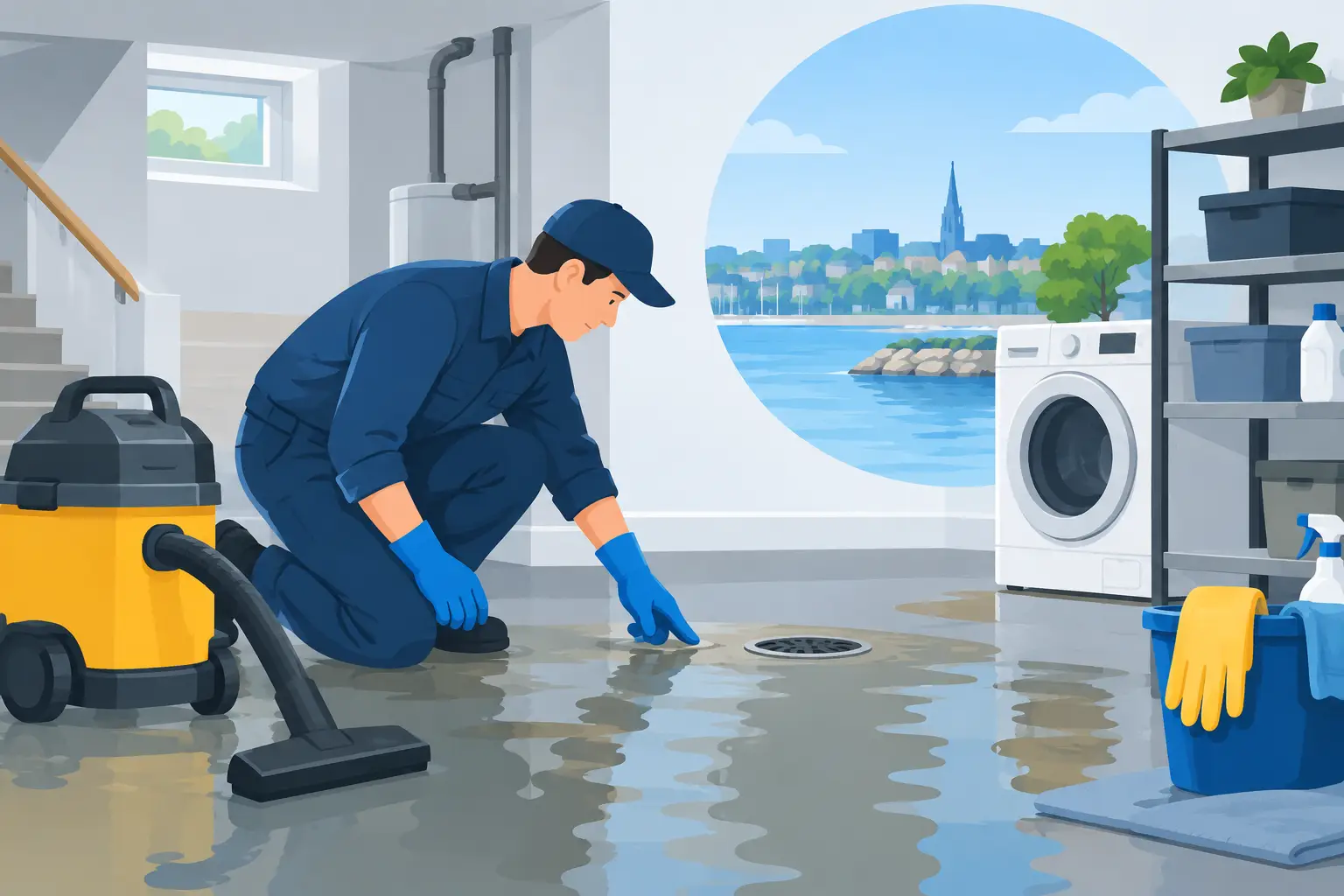
Technicians use commercial extraction equipment to remove standing water and sewage solids. Contaminated debris and unsalvageable porous materials are removed in a controlled manner to reduce cross-contamination. This stage may include lifting carpet, removing underpad, taking out affected baseboards, and opening portions of drywall where moisture has travelled.
For commercial properties, the response may also involve isolating the affected zone so operations can continue safely in unaffected areas. The right approach depends on the building layout, occupancy, and whether customers, staff, or tenants could be exposed.
Cleaning, disinfection, and odour control
After removal and extraction, technicians clean structural surfaces and apply appropriate antimicrobial or disinfecting treatments. This is a methodical process, not a quick spray of deodorizer. Floors, framing, concrete, wall cavities, and remaining non-porous materials must be addressed based on their level of exposure.
Odours are also treated at their source. Sewer odour can persist when contaminated residue remains in cracks, drains, framing, or porous material. Masking the smell does not resolve the condition. Thorough cleaning and removal of affected materials are what make the space safe to rebuild.
Structural drying and moisture verification
Even after sewage has been removed, drying remains essential. Air movers, dehumidifiers, and specialized drying equipment are used to reduce moisture in building materials. Technicians monitor progress with moisture meters and other diagnostic tools rather than relying on touch or appearance.
Fast drying helps limit secondary damage, including swelling wood, damaged subfloors, corrosion, and mold growth. It also provides a clearer picture of whether flooring, framing, or wall systems need additional repair.
Repairs and reconstruction
Cleanup is only one part of returning a property to use. Once the area is clean, dry, and ready for rebuilding, repairs may include drywall replacement, insulation, flooring, trim, painting, and other finishing work. A full-service restoration provider can coordinate this work so the property owner does not have to manage separate cleanup and repair contractors during an already stressful event.
Common Mistakes That Make Sewer Damage Worse
The most costly mistake is waiting. Some property owners hope the water will recede and the issue will resolve on its own. While the visible water may go down, contamination and moisture often remain in materials below or behind the surface.
Using a household wet vacuum is another risk. Standard consumer vacuums are not designed for sewage extraction or contaminated wastewater. Attempting to clean carpets, upholstery, or drywall with household products can also spread contaminants and leave the underlying material unsafe.
Opening windows can help with temporary ventilation when weather permits, but it is not a replacement for drying equipment or disinfection. In humid conditions, outdoor air may add moisture rather than remove it. Similarly, turning on a furnace or fans without controlling the affected area can move odours and airborne particles into other parts of the building.
Do not discard everything automatically, either. Some hard goods and non-porous belongings may be recoverable after professional evaluation and cleaning. The right decision depends on the item, its construction, the extent of contact, and the requirements of your insurer.
Need Emergency Sewer Backup Cleanup in Oakville?
If sewage is standing on finished flooring, has reached drywall or furniture, or is spreading through a basement, commercial property, or multi-unit building, professional cleanup should begin as quickly as possible. CPR24 Restoration provides 24/7 sewer backup cleanup in Oakville for residential and commercial properties.
Our IICRC-certified technicians can assess the affected area, extract contaminated water, remove unsalvageable materials, clean and disinfect exposed surfaces, install professional drying equipment, and monitor moisture conditions before repairs begin. We can also provide photos, documentation, and estimates for insurance claims and coordinate reconstruction once remediation is complete. For additional information about basement flooding and sewer backup restoration in Oakville, CPR24 Restoration is available 24/7 for emergency response.