

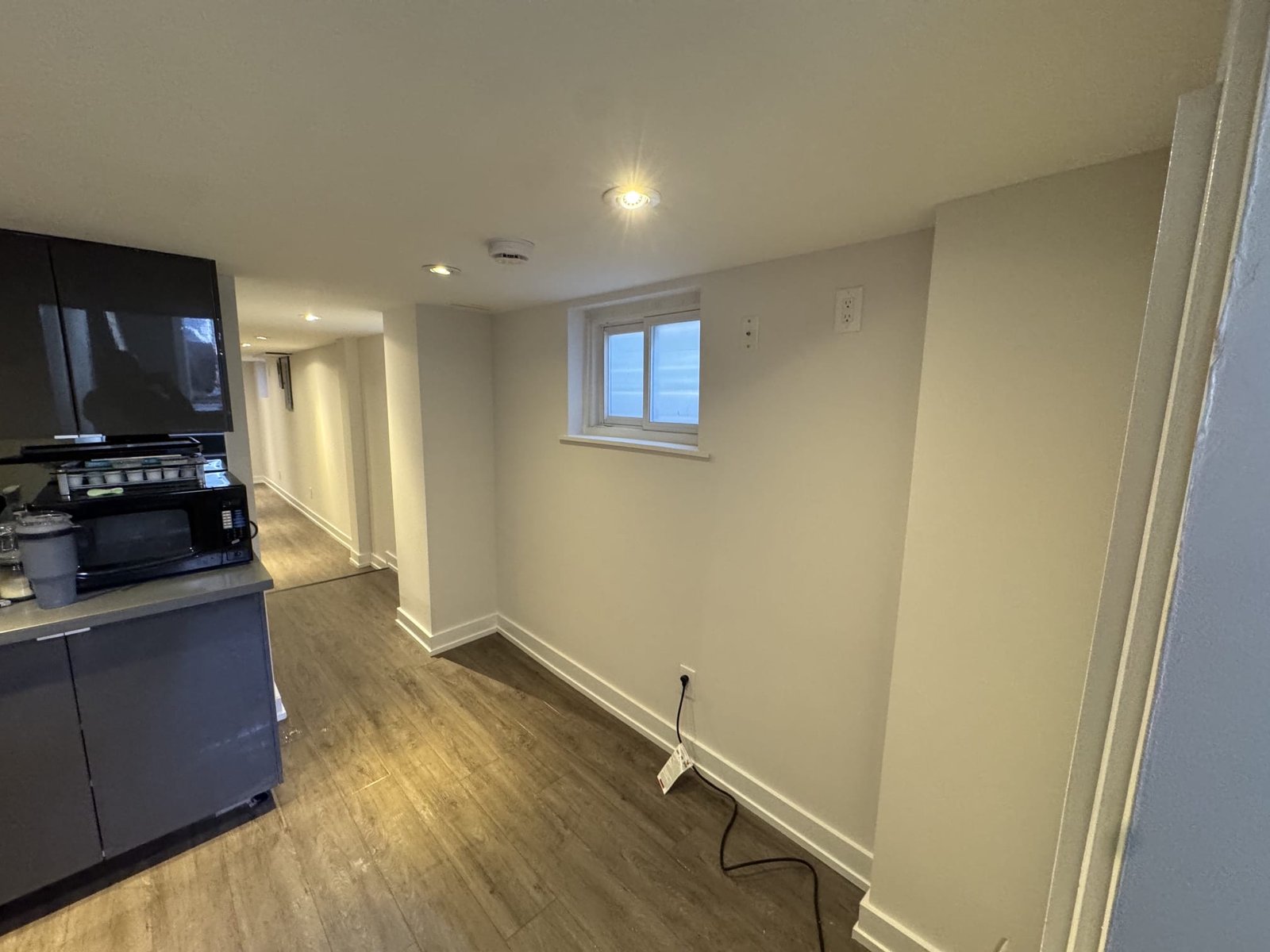
A musty smell in a basement, staining around a bathroom ceiling, or recurring condensation near windows can leave property owners asking the same question: is mold circulating through the air? This guide to mold air testing explains what testing can confirm, what it cannot, and how to use the results to make the right remediation decision before a small moisture issue becomes a larger property problem.
For homes, condos, rental units, and commercial spaces in Toronto and the GTA, air testing is most useful when it supports a proper inspection. A laboratory report alone does not remove mold, dry wet materials, or identify every hidden source. The goal is to connect the sample results with the building conditions that caused the concern.
What mold air testing measures
Mold air testing collects a measured volume of air and evaluates the particles or viable spores captured in that sample. Depending on the method, a laboratory may identify broad spore categories, estimate concentrations, or attempt to grow collected spores to identify viable organisms.
A trained technician commonly takes samples from the area of concern and compares them with an outdoor control sample. In some cases, an additional indoor sample from a clean or unaffected area is also helpful. The comparison matters because mold spores exist naturally outdoors and can enter a building through open doors, windows, ventilation systems, clothing, and pets.
The question is not simply whether any spores are present. The question is whether the indoor air profile is inconsistent with outdoor conditions, unusually elevated, or showing types of spores that point to an indoor moisture source.
When air testing is the right next step
Air sampling can be useful when there is a reasonable concern about concealed contamination or when documentation is needed for a property decision. It is particularly valuable after a leak, flood, sewer backup, roof issue, or prolonged humidity event where moisture may have reached cavities behind finished surfaces.
Consider professional mold air testing when you have:
- A persistent musty odour with no obvious source
- Past water damage that was not fully dried or documented
- Visible staining, peeling paint, warped drywall, or recurring condensation
- Tenant, employee, or occupant concerns in a shared property
- A need for pre-remediation, post-remediation, insurance, sale, or lease documentation
Testing may also help after mold removal, but only when the underlying moisture source has been corrected and the work area has been properly cleaned. A post-remediation verification sample is not a substitute for careful visual inspection. Surfaces, containment areas, HVAC components, and hidden building cavities may still require attention depending on the original scope of damage.
When testing should not delay action
If visible mold is present on building materials, there is already evidence of a moisture problem. Waiting for air results before controlling the source can allow contamination and structural damage to spread. The immediate priorities are to stop the water intrusion, isolate the affected area where appropriate, and assess whether porous materials such as drywall, insulation, carpet, or ceiling tile need removal.
The same applies after a major basement flood, burst pipe, sewage backup, or active roof leak. Water extraction and controlled drying should begin promptly. In many cases, the most useful assessment happens while moisture levels, material conditions, and the likely migration path can still be accurately documented.
Air testing is a diagnostic tool, not an emergency response plan. If moisture is active, act on the moisture first.
How a professional mold air test is performed
A reliable assessment begins before the pump is switched on. The technician should inspect the property for water damage, building defects, ventilation concerns, odours, visible growth, and areas where moisture may be trapped. Basements, attics, bathrooms, kitchens, mechanical rooms, under-sink cabinets, window perimeters, and exterior-facing walls are common inspection points.
During sampling, a calibrated air pump draws air through a collection cassette for a set period. Sampling conditions are documented because open windows, recent cleaning, construction activity, fans, and HVAC operation can affect the result. The technician may also use moisture meters, thermal imaging, and humidity readings to identify wet or suspect materials.
The samples are sealed and sent to a laboratory for analysis. Turnaround time varies by test type and laboratory workload, but the findings should be interpreted alongside the inspection notes. A report that says a sample contains spores without explaining the building conditions is incomplete information.
Air samples versus surface and bulk samples
Air samples show what was airborne at one place and time. They can be useful for comparing rooms, assessing potential airborne impact, and verifying conditions after remediation. Their limitation is that airborne levels fluctuate. A hidden mold reservoir may not release a significant number of spores during the brief sampling period.
Surface samples can help identify growth on a suspect material, while bulk samples analyse a piece of material such as drywall, insulation, or carpet. These methods answer different questions. An experienced assessor chooses the sampling approach based on the property conditions rather than applying the same test to every situation.
How to read mold air testing results
There is no single universal “safe” spore count for every property. Outdoor conditions, season, recent weather, building use, ventilation, and the sample method all influence the numbers. This is why a high or low count should never be interpreted without context.
A professional review generally looks at the types of spores detected, their concentration, the relationship between indoor and outdoor samples, and whether the result aligns with visible evidence or moisture readings. For example, an indoor sample with a different profile from the outdoor control may support concern about an indoor source. Conversely, indoor levels that closely track outdoor air may suggest normal outdoor influence, although they do not automatically rule out a concealed issue.
Some spore groups are associated with water-damaged materials more often than others. That can guide the investigation, but it does not identify the exact location of the source by itself. The building still needs to be inspected for wet drywall, damp insulation, plumbing leaks, roof entry points, poor drainage, or inadequate ventilation.
Be cautious with alarming language based on a single sample. A credible assessment explains the limitations, identifies what is known, and recommends targeted next steps. It should not use a lab result to create panic or sell unnecessary work.
Common mistakes that produce misleading results
DIY kits often appear simple, but they can create more confusion than clarity. Settle plates collect particles that land over time, not a measured air volume, and are easily affected by placement and handling. A result showing growth on a dish is not proof that a building has a hidden mold problem. Spores are common in ordinary environments.
Professional samples can also be compromised if testing is poorly planned. Testing immediately after aggressive cleaning, leaving windows open without documenting it, running fans through a suspect area, or taking samples without an outdoor control can limit the usefulness of the report. Sampling should reflect normal conditions where possible, while still protecting occupants and preventing contamination from spreading.
Another common mistake is treating air testing as the entire investigation. A wet wall cavity can remain a serious concern even if a short air sample does not capture elevated spores. Moisture readings, material condition, odours, and the history of the water event often carry equal or greater weight.
From results to a remediation plan
If the assessment identifies likely indoor mold growth or ongoing moisture, the remediation plan should focus on source control first. That may mean repairing a plumbing leak, improving bathroom exhaust, correcting roof damage, addressing foundation water entry, or removing water-damaged materials that cannot be effectively cleaned and dried.
Containment may be required to limit cross-contamination during removal, particularly in occupied homes, condos, offices, or multi-unit buildings. Technicians use controlled work practices, HEPA filtration where needed, detailed cleaning, and moisture verification before reconstruction begins. The exact scope depends on the size of the affected area, the materials involved, the presence of HVAC pathways, and whether contamination has spread beyond the original source.
For property managers and commercial operators, clear documentation is especially valuable. It helps communicate the issue to tenants, insurers, boards, and contractors while keeping restoration decisions tied to evidence rather than assumptions.
CPR24 Restoration approaches mold concerns as a moisture and building-condition problem first. For GTA properties with active water damage or suspected hidden mold, fast inspection, controlled drying, and certified remediation can prevent a longer shutdown and more extensive repairs.
If your property has a musty odour, unexplained staining, or a history of water intrusion, do not rely on an air test in isolation. Arrange a qualified inspection, preserve the evidence of the moisture issue, and address the source before it has time to affect more of the building.