

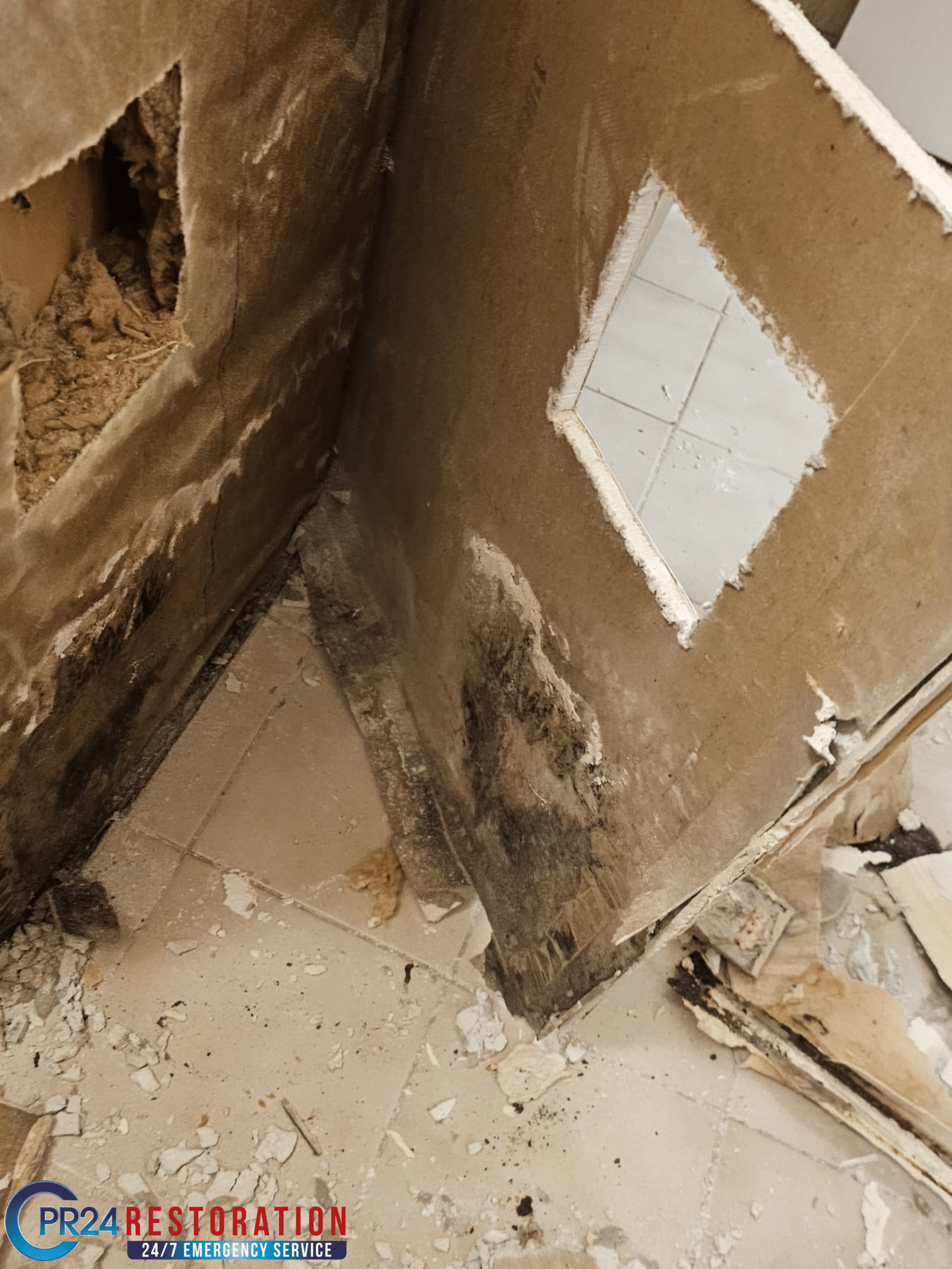
Ossington is one of Toronto’s most desirable neighbourhoods, known for its historic charm, character homes, and vibrant community. However, builders constructed many beautiful homes in Ossington, Trinity Bellwoods, Little Italy, and nearby West Toronto decades ago. Builders constructed them long before modern waterproofing and ventilation standards. While these older properties offer unique architectural appeal, they are also more susceptible to mold problems than newer homes.
At CPR24 Restoration, we often help homeowners and property managers handle mold in Ossington homes. Old building materials, hidden moisture, water damage, and poor ventilation often cause it.
Understanding why mold problems are common in older Toronto homes can help owners. It helps them spot issues early. It also helps them avoid costly damage.
Why Older Toronto Homes Are More Vulnerable to Mold
Many of the homes throughout Ossington were built before modern construction techniques and moisture-control systems became standard. As these properties age, they become increasingly vulnerable to moisture intrusion and mold growth.
Older building materials like wood framing, plaster walls, paper-faced drywall, and old insulation can absorb moisture. They can also hold it for a long time. Once moisture becomes trapped inside walls, ceilings, or flooring systems, mold can begin developing within 24 to 48 hours.
Many property owners are surprised to find hidden mold in older homes.
It often grows behind walls, under floors, in attics, or in crawl spaces.
This can happen long before you see any signs.
This is a key reason mold problems in older Toronto homes are still common in Ossington and nearby areas.
Common Mold Issues in Toronto Houses
Although mold can develop almost anywhere moisture is present, certain areas are particularly vulnerable in older homes. Mold problems in older Toronto homes
Basement Mold Problems
Basements remain one of the most common locations requiring basement mold removal in Ossington. Many older foundations lack modern waterproofing systems. Moisture often seeps through concrete walls and floors.
Common basement issues include:
- Foundation cracks
- Poor drainage systems
- High humidity levels
- Water seepage after heavy rainfall
- Condensation on cold surfaces
- Aging sump pump systems
When moisture accumulates in a basement, mold can spread quickly throughout drywall, wood framing, carpeting, and stored belongings.
Proper damp basement mold prevention is critical for maintaining a healthy home environment.
Attic Mold Growth
Attic mold removal in Toronto has become increasingly common because of inadequate ventilation in older homes.
Warm air from kitchens, bathrooms, and living spaces naturally rises into the attic. When this warm air meets colder attic surfaces, condensation forms and creates ideal conditions for mold growth.
Signs of attic mold include:
- Dark staining on roof sheathing
- Musty odors
- Visible fungal growth
- Wet insulation
- Excessive condensation during winter
Without proper attic ventilation, mold can continue spreading throughout the roof structure.
Mold Behind Walls
One of the most challenging issues homeowners face is mold behind walls in Toronto properties.
Because the mold remains hidden, many people are unaware of the problem until significant damage has already occurred. Mold problems in older Toronto homes
Common causes include:
- Leaking pipes
- Roof leaks
- Window leaks
- Foundation moisture
- Condensation inside wall cavities
Professional mold inspection in Ossington often uncovers hidden mold that property owners never knew existed.
Water Damage and Mold Growth
A direct connection exists between water damage and mold growth.
Any time a property floods, has plumbing leaks, roof leaks, appliance failures, or foundation seepage, mold can start soon after. If you do not dry the affected materials properly, mold can grow.
Water damage and mold growth frequently occur together because mold spores naturally exist in indoor environments. Once moisture becomes available, spores quickly colonize building materials.
Common water damage sources include:
- Burst pipes
- Leaking roofs
- Appliance failures
- Overflowing sinks and bathtubs
- Foundation seepage
- Heavy rainfall
- Sewer backups
Many homeowners discover mold after water damage weeks or even months after the original incident occurred.
This is why rapid response and professional drying are essential following any water intrusion event.
Mold in Century Homes and Victorian Homes
Many properties throughout Ossington fall into the category of century homes or Victorian-era homes.
While these structures possess tremendous character and historical value, they also present unique mold challenges.
Mold in century homes in Toronto is often caused by:
- Aging roofing materials
- Outdated plumbing systems
- Limited insulation
- Poor airflow
- Foundation settlement
- Original wood framing
Similarly, mold in Victorian homes in Toronto frequently develops due to hidden moisture problems that have accumulated over decades.
These homes often contain multiple renovations performed over the years, creating concealed spaces where moisture can become trapped.
What Causes Mold Growth?
Homeowners often ask, “What causes mold growth?”
The answer is simple: moisture.
Mold requires three things:
- Moisture
- Organic material
- Suitable temperatures
Unfortunately, older Toronto homes provide all three.
Common causes include:
Condensation and Mold Growth
Condensation and mold growth are closely connected.
When warm indoor air touches cold surfaces like windows, outside walls, or attics, moisture forms. Over time, repeated condensation can create conditions ideal for mold development.
Moisture Problems in Toronto Homes
Toronto’s seasonal climate contributes significantly to moisture problems in Toronto homes.
Heavy rain, snow accumulation, freeze-thaw cycles, and high summer humidity levels all increase the likelihood of moisture intrusion.
Poor Ventilation
Bathrooms, kitchens, laundry rooms, and basements often experience inadequate airflow.
Without proper ventilation, humidity levels rise and mold growth becomes more likely.
Signs of Mold in Your Home
Recognizing the signs of mold in your home early can help prevent extensive property damage.
Common warning signs include:
- Musty odors
- Visible mold growth
- Peeling paint
- Water stains
- Persistent allergies
- Respiratory irritation
- Increased humidity
- Warped drywall
- Discolored ceilings
Even if visible mold is not present, persistent musty odors may indicate hidden mold in older homes.
Health Risks of Mold Exposure
Many people underestimate the health risks of mold exposure.
While reactions differ, mold can harm indoor air quality. Mold contamination can also cause health symptoms in sensitive people.
Potential symptoms include:
- Sneezing
- Coughing
- Congestion
- Headaches
- Eye irritation
- Skin irritation
- Asthma flare-ups
- Respiratory discomfort
Children, seniors, and individuals with compromised immune systems are often more vulnerable to mold-related health concerns.
Maintaining healthy indoor air quality and mold prevention strategies is important for protecting occupants and improving overall comfort.
Why Professional Mold Inspection Matters
Many mold problems remain hidden until significant damage occurs.
A professional mold inspection in Ossington can identify:
- Hidden moisture sources
- Mold behind walls
- Attic mold
- Basement mold
- Ventilation issues
- Water intrusion pathways
At CPR24 Restoration, our team uses professional equipment to locate moisture and identify areas that may require remediation.
For homeowners looking for the best mold inspection Ossington services in Ossington, early detection often prevents major damage.
Mold Testing Toronto: Is It Necessary?
Mold testing Toronto services can help determine the type and concentration of mold present within a property.
While testing is not always necessary when visible mold exists, it can be beneficial when:
- Hidden mold is suspected
- Occupants are experiencing health symptoms
- Real estate transactions are involved
- Air quality concerns exist
Professional mold testing Toronto services provide valuable information when determining the scope of contamination.
Professional Mold Remediation Services
Once mold is discovered, proper remediation is critical.
Professional mold removal Toronto services involve much more than simply cleaning visible surfaces.
A complete mold remediation Toronto process may include:
- Inspection
- Moisture detection
- Containment
- Air filtration
- Removal of contaminated materials
- Cleaning and sanitization
- Structural drying
- Restoration work
At CPR24 Restoration, our team follows industry best practices to ensure contamination is addressed safely and effectively.
Whether you need mold removal services in Ossington or mold remediation Ossington solutions in Ossington, you must control moisture first. Proper remediation depends on moisture control.
For larger mold damage restoration projects in Toronto, it also means finding and removing the moisture source.
Why Homeowners Choose CPR24 Restoration
Homeowners throughout Ossington trust CPR24 Restoration because we understand the unique challenges associated with older Toronto properties.
Our team provides:
- Professional mold removal Toronto services
- Mold inspection Ossington services
- Mold testing Toronto assistance
- Mold damage restoration Toronto solutions
- Basement mold removal Ossington services
- Attic mold removal Toronto support
- Black mold removal Toronto services
- Emergency response assistance
If you are searching for the best mold removal in Ossington or Toronto, an experienced restoration company can help.
They can fix the mold problem the right way.
How to Prevent Mold in Older Homes
Understanding how to prevent mold in older homes can help reduce future risks.
Consider the following steps:
- Maintain indoor humidity below 50%
- Install dehumidifiers when necessary
- Repair plumbing leaks promptly
- Improve attic ventilation
- Clean gutters regularly
- Inspect roofing systems annually
- Address foundation cracks
- Use exhaust fans in bathrooms and kitchens
- Monitor basements for moisture
Taking proactive measures can significantly reduce the likelihood of future mold growth.
Contact Us Today!
Mold in Ossington homes is often the result of aging infrastructure, moisture intrusion, poor ventilation, and Toronto’s changing climate. Older properties, including century homes and Victorian homes, face unique challenges that increase their vulnerability to mold development.
Whether you have mold behind walls in Toronto, basement moisture, attic contamination, or mold after water damage, act quickly.
Deal with the problem early. By learning what causes mold and fixing moisture problems fast, homeowners can protect their homes and health.
If you suspect mold in your home, CPR24 Restoration can help. We offer mold inspections, mold testing, mold removal, and mold remediation. We serve Ossington, Toronto, and nearby communities.
Working with best mold removal Toronto pros and skilled mold specialists Toronto helps ensure long-term results. Best mold remediation Toronto services are vital for serious mold contamination.
Frequently Asked Questions
How common is mold in older Toronto homes?
Mold is common in older Toronto homes because of old materials, water leaks, poor airflow, and seasonal humidity changes.
What are the signs of hidden mold?
Musty odors, water stains, peeling paint, allergy symptoms, and elevated indoor humidity can all indicate hidden mold.
Can mold grow after water damage?
Yes. Mold can begin growing within 24 to 48 hours after water damage if affected materials remain wet.
Is attic mold dangerous?
Attic mold can impact indoor air quality and may spread if left untreated. We recommend a professional inspection.
When should I call a mold remediation company?
You should contact a professional whenever visible mold is present, musty odors persist, or water damage has occurred.
Can mold affect indoor air quality?
Yes. Mold spores can circulate throughout a property and negatively impact indoor air quality.