

Weather conditions in Toronto have triggered a flood watch across the city and the Greater Toronto Area. Heavy rainfall is increasing across the region. Environment Canada has issued warnings for up to 40 mm of rain in parts of southern Ontario. This could nearly match the city’s usual total rainfall for all March.
The severe Toronto weather has caused major disruptions so far. Multiple roads are closed because of flooding.
In this blog, we’ll walk you through the current weather conditions and safety warnings from authorities. You’ll also learn what to expect as this weather system continues to affect Toronto and the surrounding areas.
Flood watch issued for Toronto and GTA
Rainfall warning details from Environment Canada
Environment Canada issued a yellow-level rainfall warning for Toronto that extends into Wednesday. The alert signals serious weather concerns for Toronto and the region.
The federal weather agency warns that heavy downpours can cause flash floods and water pooling on roads. These conditions pose hazards to drivers and pedestrians. This yellow level alert indicates that riverine flooding is possible or expected in the coming hours.
The warning states that intense rainfall rates will occur in localized areas rather than across a widespread region. Though not every neighbourhood will face the same level of harm, those that the crisis hits can expect sudden, dramatic effects. Flash flooding can develop in these conditions and catch motorists off guard on major roadways.
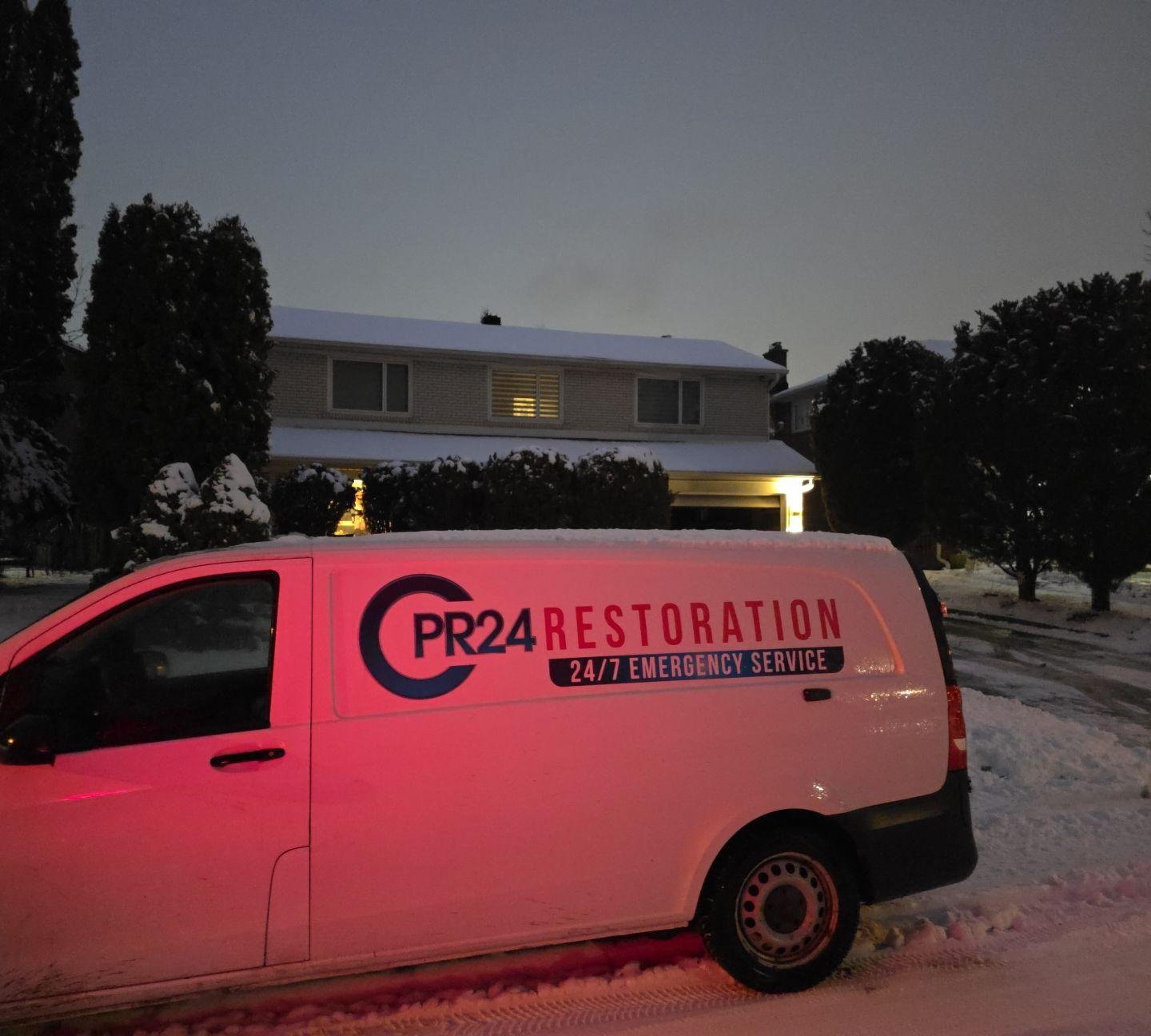
CPR24 Restoration is here to help with all flooding inquiries including flood damage cleanup, flooded basement Toronto, and emergency flood damage in Toronto!
Expected precipitation amounts
Toronto can expect between 20 and 40 millimetres of rain during this weather in Toronto event. Environment Canada forecasts up to 60 millimetres for much of Toronto and surrounding areas throughout the day. Rainfall rates of between 20 and 40 millimetres are possible at times during the most intense periods.
Southern Ontario regions could see rainfall totals between 15 and 40 mm. Thunderstorms may bring higher amounts locally.
The variation in precipitation depends on whether an area falls under the path of the most intense rainfall cells. Several rounds of showers and isolated thunderstorms will continue through the evening. This makes it difficult to predict exact totals for specific neighborhoods.
Frozen ground will limit how much water the soil can absorb. Runoff will increase and raise the risk of flooding in low-lying areas. This factor makes even moderate rainfall more dangerous than in warmer months, when the soil absorbs more moisture.
Areas affected by the weather Toronto advisory
The rainfall warning covers Toronto and most of the Greater Toronto Area. It extends over much of southern Ontario. Parts of the region northwest of Toronto are also experiencing near-zero visibility in fog alongside the heavy rain.
The weather system affects both urban centers and surrounding communities. This creates widespread challenges for emergency services and transportation networks throughout the affected zones.
Safety warnings and flood outlook from TRCA
Watershed conditions statement details
Toronto and Region Conservation Authority issued a watershed conditions statement as rainfall intensified throughout the GTA. The TRCA operates a 24-hour flood forecasting and warning program that monitors weather forecasts and watershed conditions. This statement warns that heavy rain from thunderstorms could cause flooding in flood plains and low-lying areas that do not drain well.
The forecast suggests a higher potential for flooding from river systems. Intense rainfall within a short period may increase water levels and flow rates within streams and rivers faster. This causes flooding in low-lying areas. TRCA provides local agencies and the public with notice, information and advice so they can respond during severe rainfall events with the potential risks of flooding.
Risks from rapid water level changes
All rivers and streams within the GTA should be considered dangerous due to slippery river banks and higher water levels and flows. Water levels increase fast and create hazardous conditions that can develop quickly. People near waterways can be caught off guard.
Water moving at just 2 meters per second can knock children and many adults off their feet. Even shallow flowing water poses serious risks, especially when carrying debris. An adult can be knocked down by just 6 inches of flowing water.
What to avoid during flooding conditions
Residents need to exercise caution around all bodies of water. Parents should alert children under their care of these dangers and supervise their activities near any water sources.
Avoid crossing flooded areas. Fast water can sweep you away even if it appears shallow. Vehicles can be moved by flowing water of only 1 foot depth.
Don’t drive through flood waters or underpasses, as water may be deeper than it looks. Avoid crossing bridges if water is close to or touching the ceiling of the bridge and flowing quickly.
Contact CPR24 Restoration for Flood Damage Services Toronto!
Toronto’s heavy rain has created dangerous conditions in the GTA. Flooding, power outages, and transit delays now affect thousands of residents. Conditions should improve by a lot by Thursday as the weather system moves out of the region. CPR24 Restoration responds 24/7 and arrives within minutes!
Stay away from flooded roads and waterways until the watershed conditions statement expires Thursday evening. Monitor local weather updates and avoid unnecessary travel during peak rainfall periods.
Exercise caution near all water sources. This is the most important thing to remember. Flow rates are still dangerously high.
FAQs
Q1. Which areas of Toronto are most vulnerable to flooding?
Low-lying areas and neighborhoods with poor drainage are particularly susceptible to flooding during heavy rainfall events. Areas near rivers and streams, as well as flood plains, face the highest risk when intense precipitation occurs. Even properties outside official flood zones can experience flooding during severe weather events.
Q2. What makes flooding more dangerous during this particular weather event?
Frozen ground conditions significantly limit water absorption, causing increased runoff even from moderate rainfall amounts. This means water accumulates more quickly on roads and in low-lying areas. Additionally, rapid water level changes in rivers and streams create hazardous conditions that can develop suddenly.
Q3. How much flowing water does it take to knock someone down?
Water moving at just 2 meters per second can knock children and many adults off their feet. Even shallow water can be dangerous. Just 6 inches of moving water can knock down an adult. This risk increases if the water carries debris.
Q4. Is it safe to drive through flooded roads?
No, you should never drive through flood waters or flooded underpasses. Water may be much deeper than it looks, and flowing water only 1 foot deep can move vehicles. Fast-moving water can sweep away both people and vehicles even when it looks shallow.
Q5. When are weather conditions expected to improve in Toronto?
Officials lifted the rainfall warning on Wednesday afternoon for most of the GTA. Forecasters expect the rain to ease by early evening. Thursday’s forecast looks much better, with sun and clouds.