

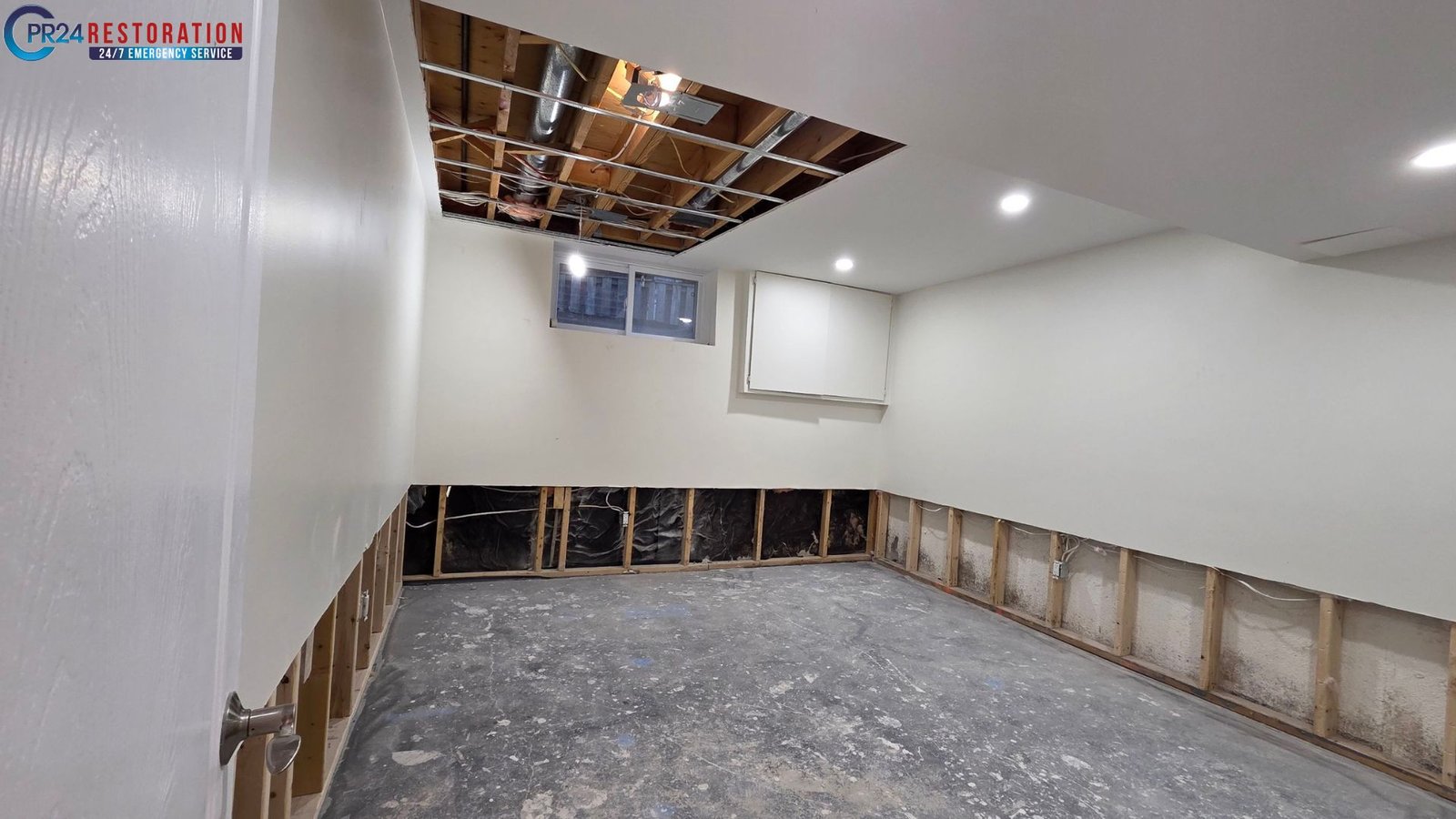
Basements naturally face flooding risks because they sit at a building’s lowest level, below ground level. Heavy rains create multiple water intrusion paths through foundation cracks, overwhelmed drainage systems, and sewer backups.
Your basement needs quick action, whether you’re dealing with current flooding or want to prevent future problems. We must identify the source of the water problem first. Quick solutions prevent damage to your home’s structure and your belongings.
This blog explains why basements in Toronto flood during heavy rain. It also covers emergency steps and ways to protect against future storms.
Why Basements Flood During Heavy Rain in Toronto
Toronto creates perfect conditions for basement flooding because of its climate, geography, and infrastructure. You need to learn about several factors that cause water to get into your basement.
Water pressure and soil saturation
Water from heavy rainfall soaks the ground around your home and creates hydrostatic pressure. This invisible force pushes water through tiny cracks or porous areas in your basement walls and floors. Toronto faces these challenges:
- The area’s clay-rich soil holds water longer than other types, which keeps pressure against foundation walls
- Your foundation develops new cracks when seasonal freeze-thaw cycles create extra stress
- Many Toronto neighbourhoods have high water tables that make pressure worse during heavy rain
Clogged gutters and downspouts
Your gutters should collect rainwater and move it away from the foundation. But this system often becomes the hidden cause of basement flooding:
When gutters get clogged, water overflows next to your foundation. This soaks the soil around your basement.
When downspouts are too close to your home, thousands of litres of water pour beside your foundation walls. Your downspouts should extend at least 6 feet from your home. If you have clay soil, they should extend 10 feet.
Poor grading and landscaping
Rainwater flows toward your home instead of away from it when your property isn’t graded properly:
Water collects near the foundation instead of draining away because of poor grading. The ground should slope down at least 5%, which is about 6 inches over 10 feet. Natural drainage areas in Toronto have shrunk because of urban development.
Sewer backups and municipal overload
Toronto’s sewer system struggles during heavy rainfall:
About 23% of Toronto still uses combined sewers. These sewers carry both sewage and stormwater in one pipe. During heavy storms, wastewater can back up into basements.
Combined sewer overflows act like “relief valves” to stop flooding. However, they can push water back through your drains. Aging infrastructure is under more stress because climate change has made rain heavier.
What to Do When Your Basement Floods
Water in your basement needs quick action to limit damage and health risks. Quick steps now can save thousands in repair costs and keep you safe.
Turn off electricity and gas if needed
Your safety comes first – disconnect power to your basement right away. Many Toronto homes have electrical panels in the basement, so never enter a flooded area with live power.
Remove standing water safely
The area needs to be safe before you start removing water. Your approach depends on how bad the flooding is:
- For minor flooding: Use towels, mops, submersible pumps, or wet vacuums
- For deeper flooding: Rent semi-trash pumps (158 gallons per minute) or submersible pumps (60 GPM)
- For sewage contamination: Professional services might be your best bet since GTA heavy rain flooded basement claims average CAD 59,914.49
You need protective gear. Wear rubber boots, gloves, long clothing, protective eyewear, and masks. This is important if you think there is sewage contamination.
Dry and disinfect affected areas
High-velocity fans and industrial dehumidifiers should run for 48-72 hours to reach 30-50% humidity. Fresh air helps, so open your windows and doors. You will also need to take out soaked materials. This includes carpets, drywall up to 2 feet above the waterline, and insulation.
Hot water and liquid detergent will clean all surfaces. A bleach solution works well to sanitize walls and floors – mix 1 cup of bleach with 5 gallons of water. Bleach and ammonia or other cleaning products should never mix.
Document damage for insurance
Clear photos and videos of all damage from multiple angles help before cleanup starts. Make sure to show water levels, damaged belongings, and serial numbers on damaged appliances.
Every receipt from cleanup and repairs matters. Your insurance company needs to know about the whole ordeal right away – give them all the details.
A detailed list of damaged items helps, especially with proofs of purchase. Keep damaged items unless they’re health hazards.
How to Prevent Basement Flooding During Heavy Rain
You can protect your basement better by acting before floods happen. Simple steps around your home will reduce water damage risks by a lot, even during Toronto’s heaviest downpours.
Clean and extend downspouts
Dirty gutters and downspouts often cause basement flooding. Your eavestroughs need cleaning at least twice a year to remove leaves and debris that block water flow.
Water should discharge 6-10 feet away from your foundation through extended downspouts. Toronto homeowners must disconnect their downspouts from the city’s sewer system to prevent overloads during heavy rain. The sewer connection needs a cap after disconnection, and splash pads should protect discharge points from erosion.
Regrade your yard away from the foundation
Your yard’s slope creates natural protection against water damage. The ground should slope away from your home’s foundation at a 2% minimum grade.
Many experts suggest a 5% grade, which means about 6 inches over 10 feet. This slope will make water flow away from your house instead of collecting near the basement walls. Any low spots within 10 feet of your foundation need filling to prevent water pooling during storms.
Install or maintain a sump pump
Sump pumps stand as your best defence against basement flooding. These systems collect groundwater near your foundation and pump it safely away. A battery backup system helps protect your home during power outages. Your sump pump needs monthly testing – just pour water into the pit to make sure it works right.
Seal cracks in walls and floors
Even tiny cracks let water seep through your foundation. Regular checks of walls and floors help spot openings that need waterproof sealing. Active leaks might need polyurethane or epoxy injection systems that flex with your foundation’s movement.
Use window well covers and check drainage
Basement windows create weak spots for water entry. Clear covers keep out rain, snow, and debris while letting natural light through. Good window well drainage systems stop water from building up and leaking through basement windows. Regular cleaning of window wells prevents blockages that lead to flooding.
Long-Term Solutions for Flood-Prone Homes
Homeowners can protect their basements from recurring floods by putting permanent solutions in place.
Install a French drain or drain tile system
French drains (also known as weeping tiles) create a path that moves water away from your foundation and stops recurring floods. You’ll spend between CAD 34.83 to CAD 69.67 per linear foot for professional installation. While traditional systems can clog, newer options like WaterGuard® give you better protection with minimal floor disruption.
Upgrade to waterproof basement windows
Your basement needs waterproof windows to create a stronger barrier against moisture. These specialized windows work with proper window wells to boost energy efficiency and keep water out effectively.
Add a backwater valve to prevent sewer backup
This vital device works like a one-way gate – it lets wastewater flow out while blocking sewage from backing up during storms. The installation runs between CAD 2,090.04 and CAD 6,966.80, but Toronto residents might qualify for rebates up to CAD 1,741.70. Note that you’ll need permits before installation.
Think about interior waterproofing systems
Interior solutions use drainage systems, vapour barriers, and crack repairs to keep water away from living spaces. These systems take just days to install and cause less disruption than exterior waterproofing.
Check your insurance coverage for flood events
Regular policies rarely cover external flooding. You should add optional coverage for sewer backup and overland flooding. Your premiums might drop if you take preventive steps.
Contact CPR24 Restoration for Emergency Flood Damage Services!
Basement flooding poses a real threat to Toronto homeowners, and heavy rainfall events keep getting more frequent. We’ve looked at why basements flood, what to do in emergencies, and how to protect your home before water gets in.
Without doubt, preventing floods is the most affordable way to protect your basement. Basic maintenance like cleaning gutters, extending downspouts, and fixing yard grades can shield your home from water damage. A well-maintained sump pump also acts as your first line of defence against rising groundwater.
Homes with recurring flood issues need lasting solutions like French drains, waterproof windows, and backwater valves. These options need more money upfront, but end up saving you from dealing with repeated flood damage.
Quick action during floods can limit damage and health risks. Safety comes first – cut the power, use protective gear, and document everything for insurance claims. Good cleanup and disinfection afterward stop mold and structural problems from developing.
Climate change makes Toronto’s rainfall more intense, so homeowners need to stay alert about basement protection. Time and money spent on prevention today will save you from the stress and costs of dealing with a flooded basement later. Your home needs this protection, and you’ll sleep better during the next severe storm.
FAQs – Basement Flooding After Heavy Rain
Q1. How can I prevent basement flooding during heavy rain in Toronto?
To stop basement flooding, clean and extend your downspouts. Regrade your yard to slope away from the foundation. Install or maintain a sump pump.
Seal any cracks in walls and floors. Use covers for window wells. These measures help direct water away from your home and strengthen its defences against water intrusion.
Q2. What should I do immediately if my basement floods?
If your basement floods, first ensure safety by turning off electricity and gas if needed. Then, remove standing water safely using pumps or wet vacuums. Document the damage for your insurance.
Start drying and cleaning the affected areas right away. This will help stop mold from growing.
Q3. Will my home insurance cover basement flooding?
Standard home insurance policies typically don’t cover flooding from external sources. Coverage depends on the cause of flooding and your specific policy. Consider adding optional coverage for sewer backup and overland flooding. Always check with your insurance provider to understand your coverage and consider additional protection if needed.
Q4. What are some long-term solutions for flood-prone basements?
Long-term solutions for basements that flood include installing a French drain or drain tile system. You can also upgrade to waterproof basement windows. Adding a backwater valve can help prevent sewer backup.
Consider using interior waterproofing systems as well. While these options require higher initial investment, they provide lasting protection against recurring floods.
Q5. How quickly should I address water in my basement after flooding?
Addressing water in your basement as quickly as possible, ideally within 24 to 48 hours, is crucial. Quick action helps minimize damage and prevent mold growth. Use fans and dehumidifiers to dry the area well. If there is a lot of flooding or sewage, get professional help.