

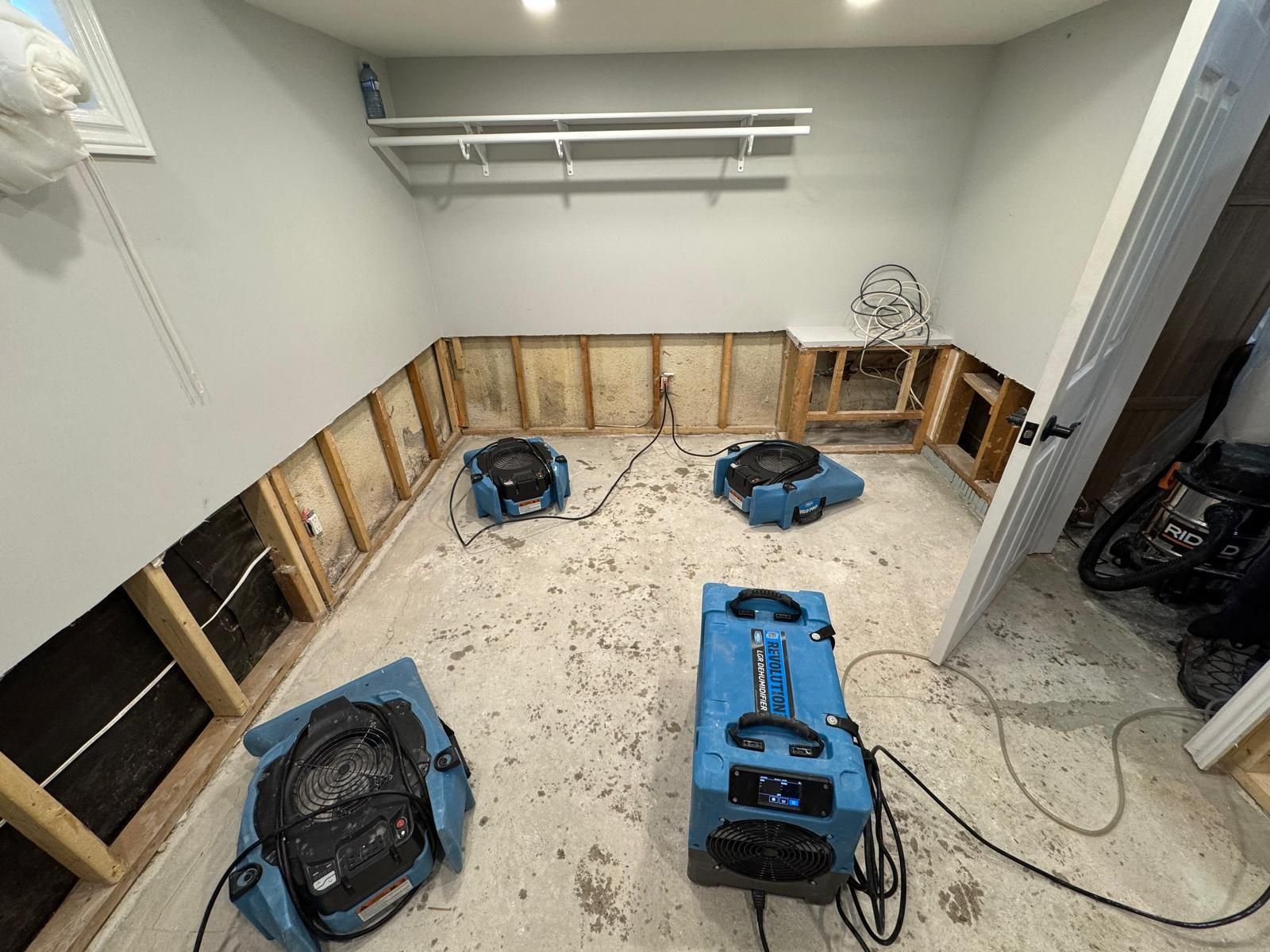
A house flood ranks as Toronto’s most common natural disaster and can get pricey fast. If you’ve ever experienced a flood in your home, you know water damage can cost homeowners thousands of dollars in mere minutes.
This blog covers everything about handling a house flood in Toronto. From preparation to response and recovery, CPR24 Restoration helps you create a flood emergency plan and show you exactly what to do if water starts coming into your home.
Understand the Risks and Prepare Your Home
A flooded home Toronto can cost thousands in damages. You need to understand flood risks and strengthen your home’s defences to protect against flooding.
Know if your area is flood-prone
Floods can happen any time of year because of heavy rainfall, melting snow, ice jams, or coastal storm surges. Canadian homes, property, and infrastructure face direct damage worth over CAD 1.39 billion each year from flooding.
Flood maps help identify areas at risk during severe storms. These maps show potential water levels during specific flood events. This information helps you make smart decisions about emergency preparedness, property flood-proofing, and insurance needs. Your local municipality might have flood mapping resources available for your area.
Check your home’s grading and drainage
The slope of the ground around your property, called grading, is your first defence against house floods. Your ground should slope away from the foundation at least 15-20 cm over the first 2-3 meters from your exterior wall. This directs rainwater away from your home.
Soil settles and changes water flow patterns over time. Look for low spots where water collects after heavy rainfall. These spots need filling to fix drainage issues. Make sure drainage features like swales (shallow channels) and catch basins stay clear of debris.
Install sump pumps and backflow valves
Your basement needs a sump pump for flood protection, particularly during power outages or main pump failures. A battery-operated backup pump adds security when storms knock out electricity.
A backwater valve on your sewer line stops sewage from backing up into your home during heavy storms. These valves let wastewater flow out but close automatically if water tries to flow back in. Check your backwater valve every 2-3 months and before expected heavy rainfall.
Seal cracks and waterproof basement walls
Houses settle and create foundation cracks where water seeps through in saturated soil. Look for wet streaks on your foundation after heavy rain. These indicate water entry points.
Use hydraulic cement to fill cracks – it expands while setting to create a watertight seal. You can add protection by applying quality masonry waterproofing to bare interior basement walls. Window wells often leak without proper drainage, so check them regularly.
Create a Flood Family Emergency Plan
A family emergency plan could save your life when a house flood hits. Disasters can strike without warning, so a detailed plan will give everyone clear directions on what to do.
Build a 72-hour emergency kit
Your household needs enough supplies to stay self-sufficient for at least 72 hours. Here’s what your emergency kit should have:
- Four liters of water per person per day to drink and stay clean
- Non-perishable food and a manual can opener
- Battery-powered or wind-up flashlight, radio, and phone charger
- First aid supplies and medications (including prescription medications)
- Personal toiletries and sanitation items
- Cash in small bills and copies of important documents
Pack these items in a waterproof, portable container you can grab quickly during an emergency.
Make a communication and evacuation plan
Pick a family meeting spot that everyone knows well and can find easily. Your contact list should include someone who lives in another area. This person can help coordinate communication if local networks get overwhelmed. Text messages often work better than phone calls during emergencies.
Everyone in your home should know the evacuation routes. They should also know how to safely turn off utilities like water, electricity, and gas. Regular practice of your emergency plan with all family members makes a significant difference.
Store important documents safely
A fireproof and waterproof container should hold paper copies of your important documents. You might want to digitize records and save them on password-protected drives or secure cloud services. Your critical documents should include identification, insurance policies, property deeds, medical information, and financial records.
Know your insurance coverage
Check what your home insurance covers for flood damage. Standard policies might not protect you from overland flooding. Your insurance can help with extra living costs if you can’t stay in your flood-damaged home. Talk to your insurer about your specific situation and keep all policy details and contact information handy.
What to Do During a Flood
A flooding home demands immediate action. Every second counts as flood conditions can get worse faster.
Shut off power only if safe
You should turn off your home’s electricity only if you stand on a dry surface without touching water or metal objects. Water in your basement means you should not try to reach electrical panels! Call your utility provider right away to cut power at the source. Electric current travels through water and creates deadly shock hazards.
Move to higher ground immediately
Don’t wait for someone to tell you what to do if water levels rise quickly. Leave basements or low-lying areas right away and find higher spots inside or outside your home. You should follow evacuation orders right away—take time to lock your home if possible.
Avoid contact with floodwater
Floodwater carries sewage, chemicals, debris, and possibly live electrical wires. Moving water poses dangers even when shallow—6 inches (15 cm) can sweep you off balance. Cars float away in just 12 inches (30 cm) of water, so avoid driving through floods. Rubber boots, gloves and eye protection are essential if you must enter floodwater.
Listen to local emergency alerts
Local radio, television, internet sources, and emergency notification systems provide vital updates. Keep track of changing conditions and follow official guidance about evacuation routes or safety measures.
Steps to Take After the Flood
Recovery from a house flood takes patience, and you need to be careful about safety. Going back too soon could put you at risk from hidden dangers that stay around long after the water goes down.
Wait for official clearance before returning
Stay away from your property until authorities tell you it’s safe to go back. You should never enter buildings that still have floodwater around or inside them. Buildings with buckled walls or floors could be structurally unsafe, so avoid them. Your home might look fine from the outside, but dangers could be waiting inside.
Wear protective gear during cleanup
Floodwater usually contains sewage, household chemicals, and dangerous industrial materials. You’ll need this essential protective gear before cleanup:
- Hard hat and safety goggles
- N95 respirator or better
- Waterproof rubber gloves and boots
Clean your hands with soap and water after any cleanup work.
Document damage for insurance
Take photos of all damaged areas before you start cleaning up. Create a detailed list of everything you damaged or destroyed, and attach any receipts or proof of purchase you have. Contact your insurance representative before you start any cleanup work. Save all receipts for cleanup costs and temporary housing.
Watch for mold and structural damage
Mold starts growing just 24-48 hours after flooding. Look for signs like sagging ceilings, standing water, and wet insulation in your home. Check where your home’s foundation meets the structure to spot any movement. Wet walls won’t dry completely if you seal them inside a building.
Hire licensed professionals for electrical checks
You should never try to fix electrical problems yourself. A Licensed Electrical Contractor needs to check if it’s safe to restore power if water touched your electrical system. They’ll file the right paperwork so utilities can safely reconnect your power.
Contact CPR24 Restoration for Emergency Flood Services!
Canadian homeowners face serious threats from flooding, but proper preparation remains our best defence against water damage. This piece outlines the steps needed to protect homes before, during, and after floods. Learning about local flood risks helps us implement preventative measures like drainage systems, sump pumps, and backflow valves.
A detailed family emergency plan gives peace of mind during disasters. Every household should prioritize putting together a 72-hour emergency kit, setting up communication protocols, and keeping important documents safe.
Your safety comes first during floods. Never wait to move to higher ground, stay away from floodwater, and only turn off power when it’s completely safe. Patience becomes a vital part of recovery once floodwaters recede. Wait for official clearance, document the damage, and wear protective gear during cleanup to stay safe.
Dealing with a flooded house can feel overwhelming. Taking systematic steps toward recovery helps manage stress and ensures your home returns to a safe, livable condition. Getting professional help, especially for electrical systems, isn’t optional – it’s necessary.
We can’t control when or where floods hit, but we can control our level of preparation. Good planning and knowledge substantially reduce damage to our homes and keep our families safe during these difficult times.
FAQs
Q1. How can I prepare my home for potential flooding?
To get your home ready for flooding, make sure the ground slopes away from your property. Install sump pumps and backflow valves.
Seal any cracks in your foundation. Also, waterproof the walls in your basement. Also, check your home’s drainage system and keep it clear of debris.
Q2. What should I include in my emergency kit for a flood?
Your emergency kit should have enough supplies for 72 hours. This includes four liters of water for each person each day. You should also pack non-perishable food, a manual can opener, and a battery-powered flashlight.
Don’t forget a radio, first aid supplies, and any medications you need. Include personal toiletries, cash, and copies of important documents.
Q3. Is it safe to turn off electricity during a flood?
Only turn off electricity if you’re standing on a dry surface and not in contact with water or metal objects. If there is already a flood in your basement, do not attempt to access electrical panels. Instead, call your utility provider to disconnect power at the source.
Q4. What should I do immediately after a flood in my home?
After a flood, wait for official clearance before returning home. Once it is safe, take photos of all damage for insurance. Also, make a detailed list of the damaged items. Wear protective gear during cleanup and watch for signs of mold or structural damage.
Q5. How can I protect important documents during a flood?
Store important documents in a fireproof and waterproof container. Consider digitizing records and storing them in password-protected formats on removable drives or secure cloud services. Keep copies of identification, insurance policies, property deeds, medical information, and financial records easily accessible.