
What to do in the first 60 minutes of a home flood in Toronto? Time matters when disaster strikes, and contacting an emergency flood service can make all the difference. Water damage spreads faster, and untreated areas can become mold breeding grounds within 24-48 hours.
Homeowners face immense stress from flood damage. Response time is a vital factor – several flood restoration companies reach sites within 45 minutes across the GTA. Some companies guarantee arrival within an hour.
Flood damage in homes or businesses requires prompt action within the first 60 minutes. This helps prevent lasting problems.
This blog outlines the essential steps to take during those first critical moments. You’ll learn everything from safety measures to connecting with 24-hour emergency flood services.
Our team has developed a reliable system to manage water emergencies. This system works for homes and businesses. Over 15 years of experience support it.
Stop the Source and Ensure Safety
Quick action during a flood emergency can prevent further damage and save lives. Safety hazards need your attention first, even before you call emergency flood services.
Turn off electricity and water if safe
Your home’s electrical power needs immediate shutdown if you can do it safely. Stand on a dry surface and avoid touching anything metal before you flip the main breaker. Next, someone should turn off the water supply to prevent contamination.
Move electrical equipment to higher ground if time and safety permit. Note that you should never touch electrical equipment if you’re wet or standing in water. Electrical hazards might remain even after floodwaters go down.
Evacuate if flooding is severe
You must follow evacuation orders right away – your decision to stay puts both you and potential rescuers at risk. Take these steps before leaving:
- Keep your emergency kit available in a portable container
- Take your charged cell phone and important documents
- Use routes specified by officials
- Leave a note about when you left and your destination
Your vehicle can be swept away by just 12 inches (30 cm) of moving water, so never drive through flooded areas. Fast-moving water can also sweep you off your feet, so avoid walking through flooded areas.
Avoid contact with contaminated water
Floodwater poses many risks, including:
- Human and livestock waste
- Household, medical, and industrial chemicals
- Downed power lines that may be electrified
- Physical debris like lumber and sharp objects
- Wild animals, including rodents and snakes
Contact with contaminated water can cause wound infections, skin rashes, gastrointestinal illness, and tetanus. Rubber boots, rubber gloves, and eye protection are essential if you must enter floodwater. Clean any contacted areas with soap and clean water immediately afterward.
Electricity and water create a deadly combination. Flooded basements or buildings might have energized wires, so stay away. Report any downed power lines to the power company but keep your distance.
Call Our Emergency Flood Services Immediately
Your next vital step after ensuring safety is to contact professional emergency flood services. Quick action now can reduce long-term damage to your property and save money on toronto restoration services.
Why timing matters in the first hour
The first hour after flooding starts is the most important time to act. Water seeps deeper into your home’s structure with each passing minute and damages your walls, flooring, and valuable possessions.
Water damage spreads faster – a simple cleanup job can turn into a major restoration project that needs extensive repairs. Professional flood services know this urgency, so many of them can reach you within 20-60 minutes.
Standing water creates perfect conditions for mold, which starts growing within 24 hour emergency flood services. Professional help right away stops this secondary damage. The water often has contaminants like bacteria, sewage, and harmful chemicals. These can harm your health if you expose yourself for too long.
How to find 24-hour emergency flood services near you
You can find reputable emergency flood services that work around the clock. Professional restoration companies have 24/7 emergency flood service hotlines ready for crises. They can send technicians to your location within an hour of your call, whatever time disaster strikes.
Here’s how to find reliable services in your area:
- Search online for “emergency flood services near me” or “24-hour emergency flood services.”
- Look for companies with IICRC certification that show proper training and expertise
- Check for services that give free on-site assessments and detailed damage assessments.
What to tell the dispatcher for faster help
You’ll get help faster by giving clear, specific information to the dispatcher. Let them know:
- Your exact location and the best ways to reach your property
- How bad the flooding is and where it’s coming from (if you know)
- Whether you’ve stopped the water source
- If you’ve turned off the electricity
- Any safety concerns or hazards they should know about
Note that professional flood restoration technicians bring specialized equipment to extract water and dry structures. Getting them there quickly can be the difference between minor repairs and major reconstruction.
Start Initial Damage Control
Quick action can reduce damage to your property by a lot while you wait for emergency flood services. Simple steps help prevent water from destroying valuable items and provide key documentation for insurance claims.
Move valuables to higher ground
You should quickly move important items to higher floors or raised areas. Put valuable documents, electronics, and sentimental belongings in waterproof containers above potential water levels.
You can lift furniture pieces on bricks or blocks if you can’t move them upstairs. Start with items in the basement, especially electronics and appliances. Focus on things you can’t replace or items with high financial or sentimental value.
Use towels or mops to slow water spread
Block water entry points with towels, blankets, or sandbags. Place materials at doorways, windows, and air bricks to create barriers.
Remove standing water with pumps, wet/dry vacuums, or buckets. Water flows away better when drains and gutters are clear. Worth mentioning, towels work best as a backup to external barriers, not as the main defence.
Document damage with photos for insurance
A full picture of the damage is vital for insurance claims. Take clear photos and videos of damaged items before you clean or throw anything away. Include:
- Wide shots and close-ups of walls, floors, and furniture
- Water levels on walls and appliances
- Structural damage to floors, ceilings, and foundations
- Serial numbers of damaged electronics and appliances
Smartphone apps can add date and time stamps to your photos and videos. Take pictures from all four corners of each room and show what’s inside drawers, closets, and cabinets. This evidence helps justify every dollar in your insurance claim.
Save your documentation in cloud storage or email copies to keep them safe.
Prepare for Certified Flood Restoration
Professional restoration starts right after the emergency flood services team reaches your property. You’ll feel more prepared both mentally and practically by knowing what happens during the recovery process.
What to expect when the team arrives
The restoration specialists will check your property to get a full picture of the water damage. They’ll need some details about what happened to create a plan just for you. Their assessment finds both clear and hidden water damage in your walls, ceilings, and floors. They use special moisture meters and thermal imaging cameras.
Overview of the water extraction and drying process
Getting rid of standing water quickly becomes the team’s top priority. Their professional equipment has:
- Industrial-grade pumps and wet/dry vacuums
- Powerful extraction units for carpets and upholstery
- Truck-mounted systems for large-scale extraction
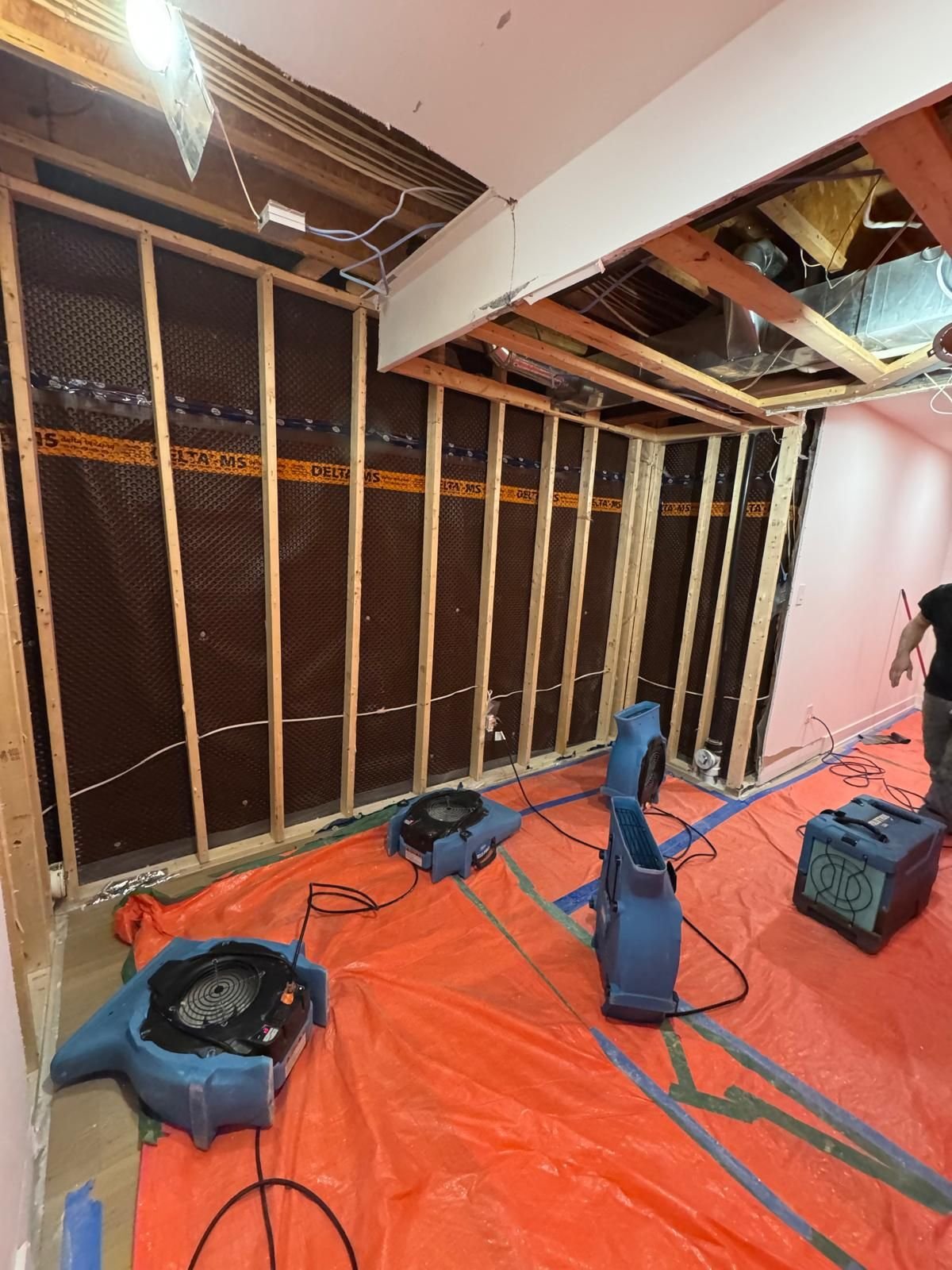
The drying phase follows with carefully positioned air movers and dehumidifiers. This step usually takes several days. Technicians check moisture levels daily with specialized tools to make sure everything dries correctly.
Understanding mold risks in the first 24 hours
Mold starts growing 24-48 hours after water exposure, so quick drying is crucial. People exposed to mold often develop respiratory problems, nasal congestion, eye irritation, and skin rashes. The restoration process includes antimicrobial treatments that stop mold from growing in affected areas.
How emergency flood services handle insurance claims
Most restoration companies deal directly with your insurance provider. They take care of the documentation and submit your claim. The team provides detailed reports, before-and-after photos, and moisture readings as proof. Many companies bill insurance directly, so you won’t need an upfront payment while focusing on recovery.
Contact CPR24 Restoration for Emergency Flood Services!
You just need to act fast during flooding emergencies to minimize damage and stay safe. The first 60 minutes are crucial. Quick action during this time can greatly reduce long-term damage to your property.
Your safety comes first. Turn off electricity, evacuate if needed, and stay away from contaminated floodwater to avoid injuries or worse.
Getting professional emergency flood services should be your next step. Most restoration companies know how time-sensitive water damage is. They provide round-the-clock service and usually arrive within an hour of your call. You can protect your valuables, slow down water spread, and document damage for insurance while waiting for help.
Water damage spreads faster than you think. A small issue can turn into major structural damage and dangerous mold growth in just 24-48 hours. Quick action is vital to protect your property and your family’s health.
Professional restoration teams use specialized equipment and expertise that leads to better recovery outcomes. They take care of everything from water extraction to complete structural drying. These teams also help you with insurance claims during this difficult time.
Those first critical minutes after you find flooding often determine whether you’ll face moderate damage or catastrophic loss. By doing this, you’ll handle flood emergencies better and reduce their effect on your home and life.
FAQs – Restoration Toronto Service
Q1. What should I do immediately after discovering a flood in my home?
First, ensure your safety by turning off the electricity if it’s safe to do so. Then, if possible, stop the water source. Move valuable items to higher ground and use towels or mops to slow water spread. Call emergency flood services right away, as quick action can significantly reduce long-term damage.
Q2. How quickly should I contact emergency restoration services?
You should contact emergency flood services immediately, ideally within the first hour of discovering the flood. Many professional services offer 24/7 response times, often arriving within an hour of your call. Quick action is crucial as water damage escalates rapidly and mold can begin growing within 24-48 hours.
Q3. Is it safe to stay in my home during a flood?
If flooding is severe, evacuate immediately. Never ignore evacuation orders as this puts you and potential rescuers at risk. Avoid contact with floodwater as it may contain contaminants and pose electrical hazards. If you must enter floodwater, wear protective gear like rubber boots and gloves.
Q4. How can I protect my belongings during a flood?
Move valuable items, important documents, and electronics to higher ground or upper floors if possible. Use waterproof containers for storage. For furniture that you can’t move, try raising it on bricks or blocks. Remember to document all damage with photos and videos for insurance purposes before moving or cleaning anything.
Q5. What should I expect when certified restoration services arrive?
When the team arrives, they’ll conduct a thorough inspection to assess the extent of water damage. They’ll use specialized equipment for water extraction, including industrial-grade pumps and wet/dry vacuums. The drying process will then begin with strategically placed air movers and dehumidifiers. Most companies also assist with insurance claims and may offer direct billing services.