

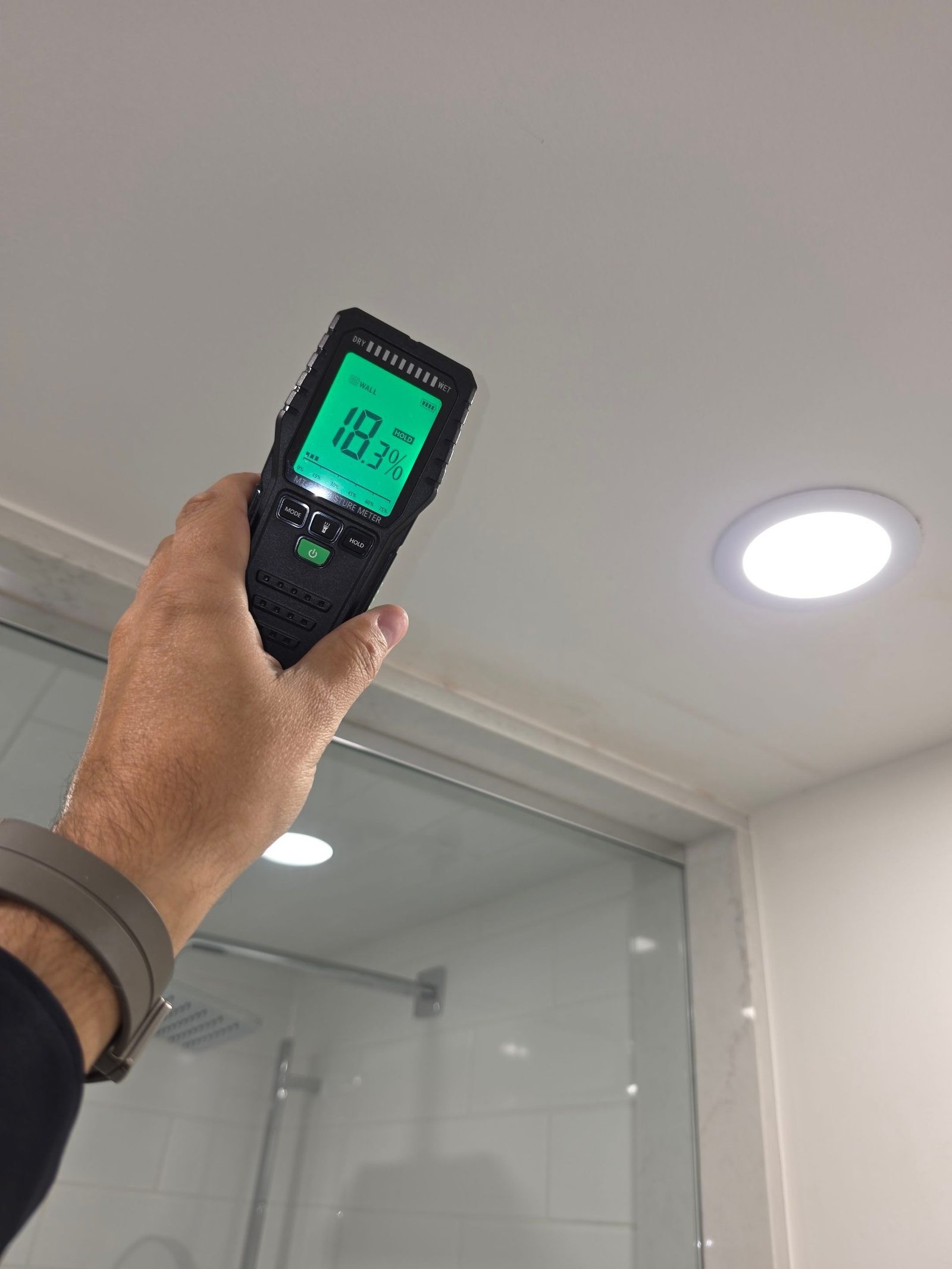
Home insurance water damage coverage can surprise homeowners at the time a claim is denied. Water damage is Canada’s leading cause of property damage, and it is tied to more than 30 per cent of claims. Water damage factored into 50% of claims paid in Quebec alone in 2023. Flooding losses reached $3.5 billion in 2024, so I understand why many of us ask, “will insurance cover water damage?” This blog explains what homeowners insurance water damage coverage has, what it excludes, and the extra add-ons you may need.
When does home insurance cover water damage?
Insurers draw a clear line between damage that happens without warning and damage that develops over time. Standard home insurance water damage coverage applies if water escapes suddenly and accidentally, not if it seeps in because someone left a problem unrepaired. Understanding that difference helps you see what your policy protects.
Sudden burst pipes and plumbing failures
A pipe that bursts overnight is a classic covered loss. Home insurance and water damage claims often begin this way because leaks and burst pipes are among the most common reasons people file claims. Coverage usually includes:
- Sudden ruptures in plumbing, heating, or air conditioning systems
- Accidental water or steam escapes from indoor plumbing, fixtures, or sprinkler systems
- A broken municipal water main that floods your property
Frozen pipes fit into this category, but only if you kept your home properly heated. If a pipe freezes and cracks during a cold snap, your homeowners insurance water damage coverage will likely apply if you took reasonable steps to prevent the freeze. Leaving the heat off for weeks during winter can turn that same burst pipe into a denied claim instead of a paid one.
Accidental leaks from appliances and fixtures
Appliances can fail without warning, and home water damage insurance usually applies if they do. A washing machine hose may rupture suddenly, or a dishwasher may overflow during a cycle. An ice-maker line that snaps and sprays water across the kitchen floor also counts as a sudden, accidental event. Overflow from a bathtub, sink, or hot water tank can qualify as well.
Here’s the difference that catches many people: your policy pays for the mess, not the machine. If a defective appliance soaks your flooring or cabinets, dwelling coverage and personal property coverage will usually pay to repair or replace the damaged items up to your policy limits. The failed appliance itself, such as the washing machine or water heater, usually is not covered unless you added optional mechanical breakdown coverage.
Rain entering through storm damage
Wind, hail, and storms can create openings that let water into your home, and insurers apply separate rules to these situations. If wind or hail breaks a window or creates a hole in your roof, home insurance water damage coverage generally pays for water that enters through that opening. The same may apply to ice damming, where melting snow backs up under shingles, and to leaks involving eavestroughs or downspouts.
Timing matters. You need to arrange repairs soon after a roof or wall is breached because insurers may not cover added water damage caused by delays. Coverage also depends on how the opening occurred. Water from the escape, overflow, or backup of eavestroughs, downspouts, or roof drains is often covered. Rain or melting snow that enters through a roof or wall opening may also be covered, although exclusions can vary by insurer.
These situations, including burst pipes, appliance failures, and storm-driven rain, are the foundations of what a standard policy calls “sudden and accidental.” Claims outside that definition can become more complicated, which the next section explains.
What water damage is usually not covered?
Not every water incident triggers your policy, and insurers draw that boundary deliberately. Knowing where it falls can prevent an unpleasant surprise at claim time.
Slow leaks, repeated seepage, and poor maintenance
A leak that drips behind a wall for weeks falls into a different category from one that bursts without warning. Home insurance water damage coverage usually excludes water from a dripping faucet, a leaking foundation, wall cracks, gaps between building materials, groundwater seepage, and damage that develops over more than a few days. Insurers view these issues as maintenance problems rather than accidents. Many policies set a clear limit through a “continuous or repeated seepage or leakage” clause, which often defines the exclusion as water escaping for 14 days or more. Courts have upheld this exclusion after water bills showed steadily rising usage for months before anyone found the leak. Some policies provide limited coverage for hidden leaks behind walls or beneath floors, but that coverage is often capped and ends once the leak becomes continuous. Older plumbing creates further risk because pipes may have outlived their expected lifespan.
Repairing the broken pipe or appliance itself
Even if a claim is approved, most policies do not pay to repair the failed part itself. A water line that breaks because of age, wear and tear, poor installation, shifting soil, or tree root damage is not covered. A line damaged suddenly during yard work usually is covered. Your municipality repairs a broken public water main, but you are generally responsible for the supply line that connects the main to your house. The same rule applies to heating equipment. If a furnace or heat pump fails and causes pipes to freeze, the policy may cover the resulting water damage but not the furnace repair, because mechanical failure is a maintenance issue. DIY plumbing work and poor work by an unlicensed contractor can also lead to a denied claim.
Frozen pipes when heating precautions were not taken
Insurers expect homeowners to keep the heat at a minimum level, often around 55°F or 12 to 15°C, during an absence. Failing to do so during a long absence will likely result in a denied frozen-pipe claim. Square One estimates the average cost of a burst-pipe incident at CAD 22,293.76. Actual denials show how strict insurers can be about prevention. One Ontario couple shut off their main water supply before a winter trip but kept their fire sprinkler system active, as building code required. Their insurer denied the claim after that line froze and burst. A woman spent weeks in the hospital and had a neighbor collect her mail. Her insurer still denied the frozen-pipe claim because the neighbor did not enter the home each day.
Water damage in vacant homes: policy restrictions
Standard policies assume that someone lives in and maintains the home. Vacancy beyond about 30 days usually ends coverage for burst pipes and leaks unless the home remains heated and inspections are documented. The difference between “vacant” (no one living there, no plan to return) and “unoccupied” (temporarily empty, like snowbirds heading south) matters. Unoccupied homes may remain covered indefinitely, while vacant homes require a special endorsement. Water damage is almost always excluded after a home is classified as vacant, even if you notify the insurer. Common requirements to keep any coverage include maintaining the thermostat near 16°C, never below 12°C, and having someone inspect the property. Some insurers require inspections every 72 hours.
Which water risks need extra coverage?
Some of the costliest water disasters fall outside a standard policy. Sewer backup, flood, groundwater, and coastal storm coverage can help fill those gaps. Each add-on addresses a different way water can enter your home, and skipping them can leave your home insurance water damage coverage incomplete.
Sewer backup and sump pump failure coverage
Standard coverage usually excludes wastewater that forces its way back into your home, so sewer backup and sump pump failure protection often requires an optional policy. This add-on covers sewage entering through floor drains, toilets, or sinks. Overloaded municipal systems or a failed sump pump usually cause these problems. Insurers consider sewer backup one of the most valuable add-ons, especially if you have a finished basement or live in an area with older pipes. Your policy will likely cover basement water damage from a sewer backup only if you purchased this endorsement before the damage occurred.
What is flood insurance coverage?
Flood insurance covers water that enters from outside sources, such as overflowing rivers, lakes, or rapid snowmelt. It does not cover failures within your home’s plumbing. Insurers often refer to this as overland water coverage and may bundle it with sewer backup protection because a single storm can cause both issues. Coverage typically applies when natural freshwater bodies rise or overflow, as well as when heavy rain or melting snow and ice suddenly accumulates. Water entering through ground-level windows and doors may also be covered. Tsunamis, tidal waves, and repeated seepage usually remain excluded, even with this add-on.
Groundwater and service line coverage: availability and limits
Groundwater coverage works differently from overland water coverage. It pays for damage caused by water rising from underground sources through your foundation, basement walls, or floors. Overland coverage applies to water flowing in from outside. Standard policies exclude groundwater damage by default, and some insurers do not offer it as an add-on. Available coverage usually applies to sudden events rather than long-term foundation problems or seepage caused by deferred maintenance.
Coastal flooding and storm surge: check separate exclusions
Coastal flooding differs from overland flooding. Saltwater from storm surge and tides pushes inland, while overland coverage is designed for freshwater. Home and business insurance generally excludes damage from coastal flooding or storm surge during hurricanes and tropical storms. These exclusions also usually include spray, ice, and debris carried by those events. Some insurers include storm surge under overland coverage, but this is not standard across the market. Confirm the details directly with your provider.
How much will water damage insurance pay?
Getting a claim approved is only half the equation. The next question is how much your home insurance water damage coverage will pay. That amount depends on what your policy covers, what you pay upfront, and how your insurer values the loss.
Coverage to protect your home, belongings, and extra living costs
Simple water damage coverage pays to repair your home and replace personal belongings after an accidental event, such as a burst pipe or overflowing appliance. Building coverage covers your home’s physical structure and may also extend to detached structures, such as a shed or fence. Contents coverage replaces furniture, electronics, and household items, ideally at replacement cost instead of depreciated value.
If water damage forces you to leave your home, additional living expenses (ALE) coverage pays for hotel stays, meals, and related costs above your normal spending. This limit is usually a percentage of your dwelling coverage. It commonly ranges from 20 to 30 percent, though some insurers offer between 10 and 50 percent. A home insured for CAD 418,008.06, for example, may include ALE coverage between CAD 83,601.61 and CAD 125,402.42. Coverage lasts for a “reasonable time” based on the repair period, rather than indefinitely.
Some insurers, such as Co-operators, combine building repairs, belongings, cleanup, and pool or hot tub coverage under one tailored limit. The policy also includes up to CAD 6,966.80 in loss-prevention reimbursement for sandbagging or similar flood preparation.
Your home insurance water damage deductible
Water claim deductibles may differ from your standard deductible, so review your policy to find a separate amount. Co-operators sets its deductible as a percentage of the claim, from 2 to 35 percent, instead of a fixed dollar amount. Flood deductibles are often higher than deductibles for other perils and may be a fixed amount or a percentage of the claim.
Policy limits and replacement cost versus actual cash value
Your payout also depends on whether your policy values losses at replacement cost or actual cash value, which reflects the depreciated value of what you lost. Some insurers offer guaranteed building replacement. This coverage pays rebuilding costs above your policy limit if you insure the home for its full replacement value, report upgrades, and rebuild on the same site. Co-operators goes further and promises no depreciation deduction for a total loss, with an option to rebuild elsewhere.
How to file a home insurance water damage claim
A burst pipe or a flooded kitchen appliance can affect how smoothly your claim moves forward during the first hour.
Stop the water and avoid electrical or sewage hazards
Shut off the main water valve or unplug the appliance as soon as you notice damage. Standing water near outlets or electrical panels requires extra care. Turn off power at the breaker only if you can reach it safely. Otherwise, call an electrician. Sewage backups also require caution because black water carries bacteria. Keep people and pets away, and let restoration professionals handle direct contact.
Photograph the damage and save damaged items when safe
Document each affected room with time-stamped photos and video before you move anything. Create an itemized list of damaged belongings with brand and model details. Keep soaked items until your adjuster tells you otherwise.
Notify your insurer and keep emergency repair receipts
Report the loss promptly. Have your policy number ready, along with a description of what happened and the time it occurred. Save receipts for emergency repairs and mitigation work, along with temporary lodging.
Work with the adjuster before starting major repairs
Show the adjuster each damaged area. Hold off on permanent repairs until the assessment is complete.
Review the settlement and ask about renewal costs
Confirm whether the payout reflects actual cash value or replacement cost. Ask how the claim could affect your renewal premium.
Contact CPR24 Restoration for Insurance Claim Assistance!
Home insurance coverage for water damage often comes down to one question: did the water arrive suddenly, or did it build up over time? Burst pipes, appliance failures, and storm-driven rain generally qualify, while slow leaks, poor maintenance, and vacant properties usually do not. These gaps make sewer backup, flood, groundwater, and service-line add-ons essential for most homeowners. Review your policy’s exclusions before a disaster strikes to avoid denied claims later. Document damage promptly, stop ongoing water intrusion, and understand your deductible structure so you can handle a claim with nowhere near as much stress.
FAQs
Q1. When can you claim water damage on home insurance?
You can usually claim damage caused by sudden, accidental events, such as burst pipes or overflowing appliances. Slow leaks, repeated seepage, and poor maintenance are generally excluded.
Q2. Does home insurance in Canada include flood protection?
Standard policies generally do not cover overland flooding. You typically need optional coverage for water entering from overflowing rivers, heavy rain, or rapid snowmelt. Sewer backup protection also usually requires an add-on.
Q3. How much will insurance pay for water damage?
Your payout depends on the covered damage, policy limits, deductible, and whether items are valued at replacement cost or depreciated value. There is no single payout amount that applies to every claim.
Q4. Will insurance replace an appliance that caused a leak?
Insurance typically covers resulting damage to floors, cabinets, and belongings, but not the failed appliance itself. Optional mechanical breakdown coverage may help cover the appliance.
Q5. What should you do before filing a water damage claim?
Stop the water if safe, avoid electrical and sewage hazards, and photograph the damage. Notify your insurer promptly, save emergency repair receipts, and wait for the adjuster’s assessment before starting major repairs.