

Spring brings more than warmer weather to Toronto, it brings basement flooding risks that cost homeowners. Over 20,000 homes are at risk annually, and Toronto’s 2024 storms alone led to $940 million in insured losses. Rapid snow melt and overwhelmed sewer systems create perfect conditions for flooded basements in Toronto.
We understand how stressful Toronto basement flooding can be, particularly when it damages your finished basement and belongings. Most basement flooding Toronto are preventable with the right preparation and basement flooding solutions.
This blog will show you how to prevent basement flooding during heavy rain. We’ll cover warning signs to watch for, practical prevention steps, and what to do if your basement keeps flooding.
Why Spring Basement Flooding Happens in Toronto
Rapid Snow Melt and Ground Saturation
Temperatures spike in spring, and the built-up snow melts faster than the ground can handle. The math works against us: ten inches of snow translates into about one inch of liquid water. On your roof and yard, this represents thousands of gallons directed toward your foundation.
The problem gets worse when the ground remains frozen beneath the surface. This creates a pavement effect where snowmelt cannot spread through the soil vertically.
Hydrostatic pressure builds as saturated soil pushes against your foundation. A measurable force in pounds per square inch presses against the wall for every foot of water-saturated soil. This pressure exploits hairline cracks, aged mortar joints and any weak points in your foundation structure.
Heavy Spring Rainfall Patterns
Toronto receives around 800 to 850 mm of precipitation each year. Rainfall events are becoming more intense. Spring storms dump large volumes in short periods and saturate ground already soaked from snowmelt. Soil reaches maximum absorption capacity and additional rainwater pools around foundations rather than draining away.
Recent climate data shows extreme rainfall events occur more frequently. Short but heavy storms place enormous pressure on drainage systems and surrounding soil. Water damage now accounts for about 48 per cent of home insurance claims. Spring contributes substantially to these numbers.
Overwhelmed Sewer Systems
Municipal sewer systems can take on much more water than they were built for. This happens during fast snowmelt and heavy spring rains. Sanitary sewers fill past capacity and water travels backwards through service lines into homes. This surcharging happens when the water level in sewers rises above the basement floor levels.
Storm and sanitary systems struggle at the same time. Heavy rainfall combined with ground thaw creates peak loads that overwhelm aging infrastructure. Sewage can flow directly into your basement when systems reach capacity if you don’t have a backwater valve.
Foundation Vulnerabilities in Toronto Homes
Toronto homes built on clay soil face a higher settlement risk. Clay holds water longer than other soil types and keeps pressure elevated for days after storms. This prolonged exposure weakens foundations and allows moisture through small openings.
Freeze-thaw cycles expand cracks each winter. Moisture seeps into small foundation cracks, freezes and widens those openings. This repeated expansion creates entry points for water over time. Older foundations without modern waterproofing become especially vulnerable as materials degrade and drainage systems fail.
Signs Your Toronto Basement is at Risk of Flooding
Spotting warning signs early can save you from basement flooding repair that might get pricey. The American Society of Home Inspectors reports that over 60% of basements in existing homes have a moisture problem. You gain time to act when you catch these indicators before water enters.
Damp Walls and Musty Odours
Your nose often detects problems before your eyes do. A musty smell signals excess moisture and mold growth, even when surfaces appear dry. Fungi in damp spaces release microbial volatile organic compounds that create this odour. The smell worsens after rain or during humid weather, which confirms moisture infiltration.
Water seeping through your foundation appears as damp basement walls. High humidity guides condensation and mold growth. Look for white, chalky deposits on concrete walls.
Water evaporates and leaves mineral salts behind. This creates efflorescence. It shows moisture has moved through your foundation materials.
Water Pooling Near Your Foundation
Standing water near your home creates a serious risk. Water that pools for more than 24 hours after storms signals drainage problems. This moisture increases hydrostatic pressure against foundation walls and guides basement leaks, cracks and mold issues.
Watch for mulch or dirt washed away after storms and downspouts dumping water less than 4 feet from your house. These signs mean water flows toward your foundation instead of away from it.
Slow Drains and Plumbing Backups
The problem goes beyond a simple clog when multiple fixtures drain slowly at the same time. This indicates a main sewer line issue that can guide basement flooding. Gurgling sounds from toilets or drains signal trapped air in your plumbing system, a common result of sewer line problems.
Keep in mind that water backing up in unused or lower-level drains means wastewater cannot flow out. Basement drains often show the first signs when sewer systems become overwhelmed.
Cracks in Foundation Walls
Foundation cracks provide direct entry points for water. Hydrostatic pressure from water-saturated soil causes walls to crack.
Horizontal cracks prove more concerning than vertical ones because they indicate pressure from water pushing against your foundation. Cracks with white mineral deposits around them signal active water problems.
How to Prevent Basement Flooding During Spring
Prevention requires specific actions taken before spring storms arrive. It helps homeowners install protective measures.
Install and Test Your Sump Pump for Basement Flooding
Your sump pump removes water that accumulates around your foundation. Test it monthly if it handles washing machine drainage or quarterly otherwise.
Pour a bucket of water into the sump pit to verify that the float activates and the pump clears water quickly. The discharge location should sit at least 20 feet away from your home to prevent water from draining back toward the foundation. Install a battery backup since spring storms often cause power outages when you need the pump most.
Add a Backwater Valve to Stop Sewer Backups
A backwater valve prevents sewage from flowing backwards into your basement when municipal sewers reach capacity. The device allows wastewater to exit your home while blocking reverse flow. Install it on the main sanitary sewer pipe with access for annual cleaning through cleanout ports. Remove debris around the gate area and verify the O-ring remains in good condition.
Improve Outdoor Drainage Around Your Home
The ground should slope away from your foundation to redirect water. French drains with perforated pipes in gravel-filled trenches collect and transport groundwater to designated outlets. Weeping tiles near your foundation need inspection at the basement corners. Damp floors indicate these systems require repair or replacement.
Clear Gutters and Extend Downspouts
Clean gutters three times a year to remove debris that prevents proper drainage. Downspout extensions should carry water six to ten feet from your foundation. Disconnect downspouts from sewer systems where feasible to reduce basement backup risk during heavy rainfall.
Waterproof Your Basement Walls
Waterproof paint costs CAD 1.39 to CAD 8.36 per square foot and prevents water from seeping through concrete. Fill all cracks before applying sealant, as paint alone will not plug existing openings. Interior drainage systems with sump pumps offer more protection for severe moisture problems.
Inspect and Seal Foundation Cracks
Seal cracks before they widen and allow water infiltration. Polyurethane injection remains flexible and seals active leaks, while epoxy injection restores structural strength. Professional evaluation becomes necessary when cracks accept a coin or show active leaking.
What to Do if Your Basement Floods
Safety First: When to Stay Out
Water and electricity create lethal combinations. Do not enter your basement if water reaches electrical outlets or your electrical panel. Turn off the power at the main breaker, provided that your feet remain dry and you avoid touching metal surfaces.
If water floods the basement, call your utility company. Ask them to shut off power at the meter. Do not try it yourself.
Bacteria contamination poses serious health risks. Floodwater from sewage or plumbing systems contains E. coli and hazardous contaminants. Water weakens support beams and causes foundation cracks that lead to structural damage. Gas leaks require evacuation right away and utility company contact.
Documenting Damage for Insurance
Take photos and videos of all water levels and damaged belongings before moving anything. Capture room views from multiple angles and close-ups of damage, including serial numbers on appliances. Upload images to cloud storage right away for easy adjuster access.
Keep receipts from emergency repairs, cleanup services and temporary housing. Contact your insurance company to initiate your claim.
Certified Flooded Basement Cleanup Toronto Services
Professional restoration services respond within 45 minutes for emergencies. Technicians use submersible pumps and extraction equipment to remove standing water.
Industrial dehumidifiers then dry affected areas. They apply antimicrobial treatments to prevent mold growth and sanitize contaminated surfaces. Professional cleanup addresses hidden moisture behind walls using thermal imaging technology.
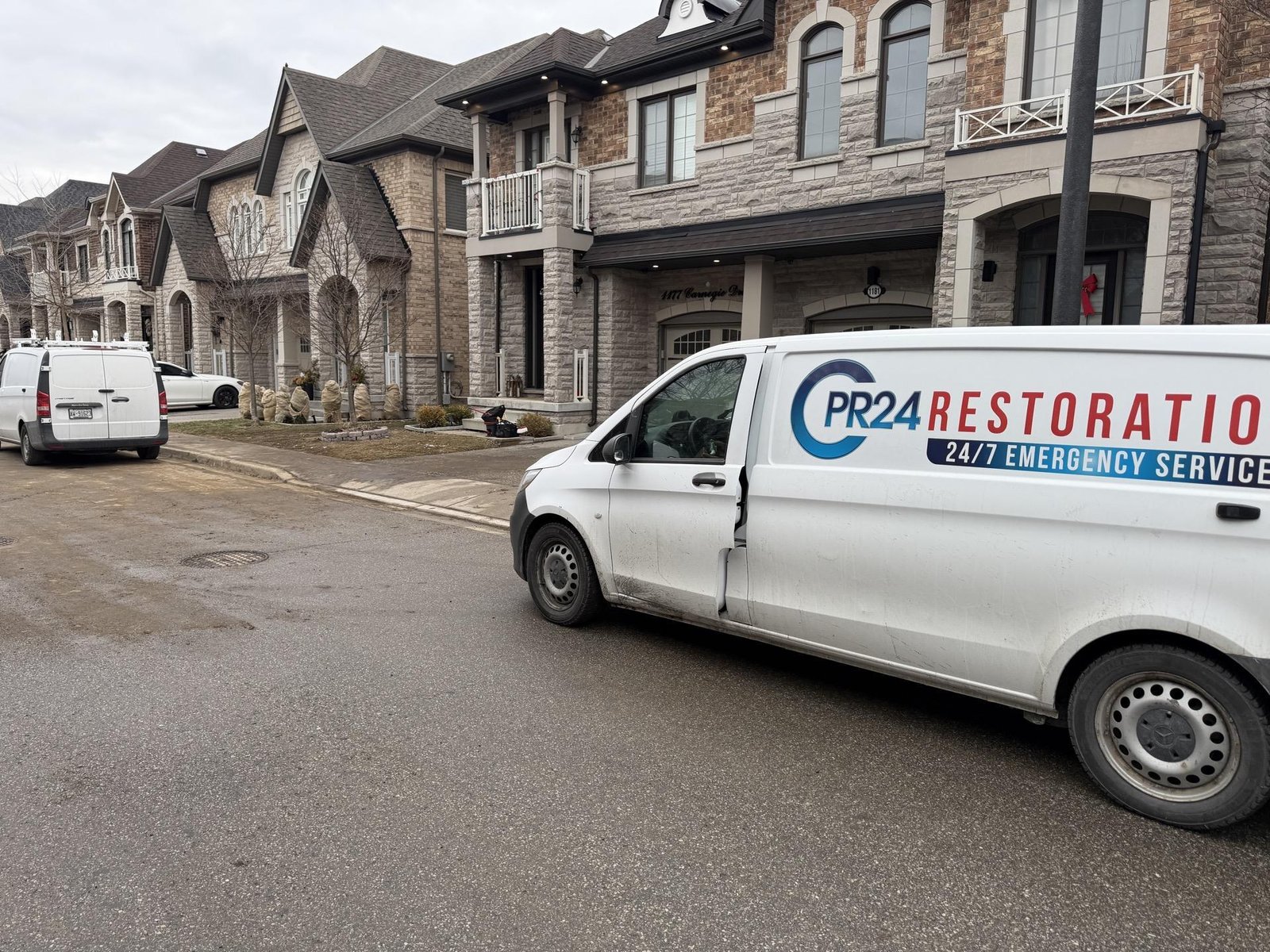
Contact CPR24 Restoration Flood Damage Restoration today!
Spring basement flooding causes damage, but most incidents are preventable with proper preparation, as we’ve shown here. Act before the next storm hits by testing your sump pump and improving drainage around your foundation. A backwater valve installation adds another layer of protection.
These preventive measures will protect your basement for many years if you do them right. The investment you make today saves you from thousands in water damage and the stress that comes with flooded basements.
FAQs
Q1. What causes basements to flood during spring in Toronto?
Spring basement flooding happens when snow melts fast, heavy rain falls, sewers overflow, and foundations have weak spots. When temperatures rise fast, snow melts faster than the ground can absorb it. Frozen soil beneath makes this worse. This creates significant water pressure against basement walls, while aging infrastructure struggles to handle the increased volume.
Q2. How can I tell if my basement is at risk of flooding?
Watch for warning signs like musty odours, damp walls with white chalky deposits, and water pooling near your foundation.
Also watch for slow drains throughout your home and cracks in foundation walls. If several fixtures drain slowly at the same time, you may have a serious drainage problem.
If water stands near your home for over 24 hours after rain, it needs urgent attention.
Q3. What’s the most effective way to prevent basement flooding in Toronto?
The best prevention uses several steps. Install a sump pump with a battery backup.
Test it often. Add a backwater valve to stop sewer backups.
Make sure the ground slopes away from your foundation. Keep gutters clean. Extend downspouts at least six feet away.
Waterproof basement walls. Seal any foundation cracks before they get wider.
Q4. Is it safe for me to enter my flooded basement?
Never enter a flooded basement if water reaches outlets or your electrical panel. This can cause deadly electrocution. Turn off the power at the main breaker only if your feet remain dry and you can avoid touching metal surfaces.
If water has flooded the space, contact your utility company. Ask them to shut off power at the meter. Do not try to do it yourself.
Q5. Should I hire professionals for basement flood cleanup?
Professional restoration services are highly recommended. They respond quickly. They use specialized equipment like submersible pumps and industrial dehumidifiers.
They apply antimicrobial treatments to prevent mold. They use thermal imaging to find hidden moisture behind walls. They can thoroughly dry and sanitize your basement, addressing contamination risks that DIY methods often miss.